The verdict, first
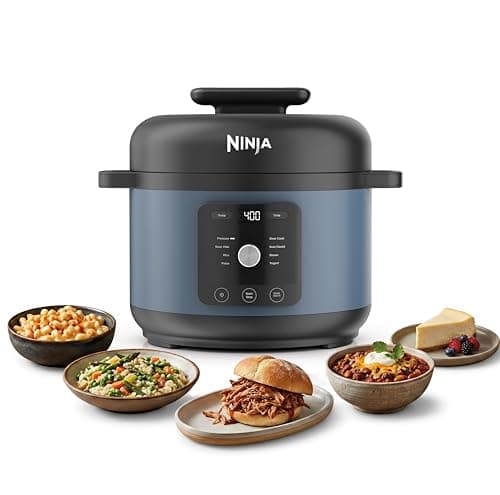
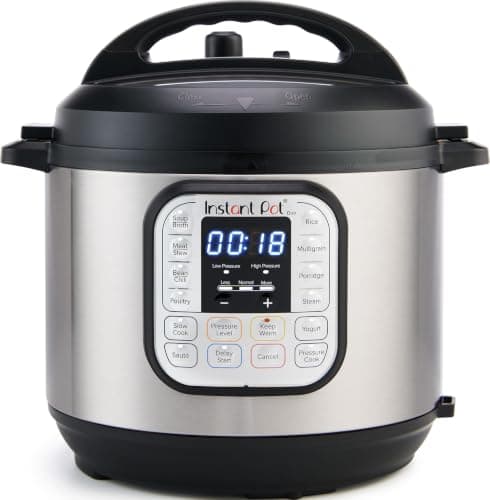
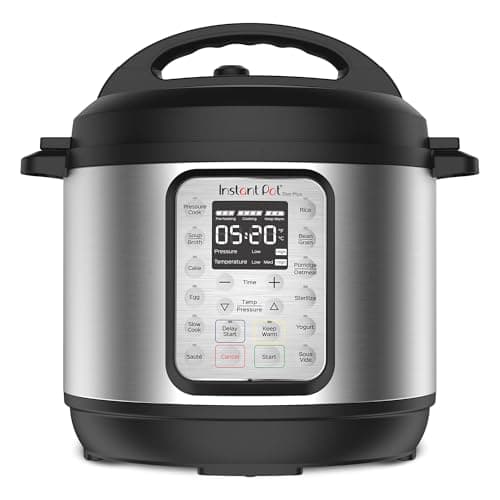
Buy the Instant Pot Duo Plus — for the buyer who wants the machine with the better-documented and longer-lived pot. It has a bare 18/8 stainless tri-ply inner pot with nothing to wear through, and Instant Brands publishes its working pressure range (10.2–11.6 psi), which SharkNinja does not for the HyperHeat. The Ninja HyperHeat is the pick if you want half a quart more pot, 200 more watts and a nonstick surface that SharkNinja specifies as PFAS-free — a fair preference, not a consolation. And if neither the sous vide nor the yogurt program matters to you, the cheaper Instant Pot Duo is the same stainless pot for less money, which is why it is here as the third pick.
First, which Ninja are we talking about?
This matters more than usual, because the Ninja pressure-cooker line changed and most comparison pages have not caught up. The machine people remember is the Foodi OS300, whose entire argument was TenderCrisp: a second lid that air-fried at 500 °F. That machine is discontinued — there is no buyable listing for it — and the Ninja pressure cooker you can buy today is the HyperHeat PC201, which has no crisping lid and no air-fry function at all. If you came looking for pressure-plus-crisp, neither machine on this page does it and the comparison you want is Duo Crisp vs Ninja Foodi or the air-fryer multicookers roundup. The older head-to-head against the Foodi is still up at Instant Pot vs Ninja Foodi for anyone who already owns one.
The published differences, side by side
Manufacturer-published figures only. Instant Brands' Duo Plus product page and manual; SharkNinja's PC201 specification table. Both are cited on the cards below.| Spec | Instant Pot Duo Plus | Ninja HyperHeat PC201 |
|---|
| Rated power | 1000 W | 1,200 watts |
|---|
| Capacity | 6 Qt | 6.5 quarts |
|---|
| Working pressure | 10.2–11.6 psi (70–80 kPa) | Not published |
|---|
| Functions, as billed | 9-in-1, 25 presets | 9-in-1; SharkNinja itemizes seven |
|---|
| Sous vide | Yes | Yes |
|---|
| Yogurt | Yes | Yes |
|---|
| Air fry / crisp | No | No |
|---|
| Inner pot | 18/8 stainless, tri-ply base — uncoated | Aluminum with PFAS-free nonstick ceramic coating |
|---|
| Warranty | 1 year | 1 year |
|---|
The pot is the real difference
Strip out the marketing and this is a stainless-versus-coated decision. The Duo Plus runs bare 18/8 stainless with a tri-ply base: nothing to scratch off, nothing to degrade, and a surface that browns and builds fond when you sauté before pressurizing. The HyperHeat runs aluminum with a ceramic nonstick coating, which SharkNinja states is PFAS-free. Aluminum conducts heat better, so it browns a little more evenly, and food releases from it far more easily — after a batch of sticky rice or a caramelized sauce, the Ninja is the one you rinse and the Instant Pot is the one you soak.
The counterweight is lifespan. A coating is a consumable; stainless is not. Scour a ceramic pot or stir it with a metal spoon over a few years and it will degrade, and a degraded pot is a replacement purchase. That is the trade in one sentence: the Ninja is nicer to clean for as long as the coating lasts, and the Instant Pot has no such clock on it. If pot material is the whole question for you, we laid the published materials for every cooker here out in the best non-toxic multicooker.
Documentation: the gap that decides it on the merits
One of the five metrics every machine on this site is scored on is whether the manufacturer publishes its figures at all, and the two makers are not level here. Instant Brands publishes the Duo Plus's wattage, capacity, pot alloy and a working pressure range of 10.2–11.6 psi. SharkNinja publishes the HyperHeat's wattage, voltage, capacity and pot material — genuinely good disclosure, including the PFAS-free line — but no working pressure figure, and it bills the machine as 9-in-1 while itemizing only seven functions on its own spec page. Neither gap makes it a bad cooker. Both mean that if you want to know what is happening inside the pot, one maker will tell you and the other will not.
Power, capacity and what they are worth
The HyperHeat draws 1,200 W against the Duo Plus's 1,000, into a pot half a quart larger. In practice that means it comes up to pressure slightly faster for a given volume and costs marginally more per hour to run — the per-hour arithmetic for each, at the US average residential rate, is computed on the cards below so you can redo it with your own rate. Neither is an expensive appliance to run; the full sums are in are electric pressure cookers cheap to run. The half-quart is similarly marginal: 6 quarts and 6.5 quarts feed the same households, and if capacity is actually your constraint the honest answer is to step to an 8-quart rather than to split hairs here — see what size Instant Pot should I buy.
Sous vide on both — and what it is worth on either
Both machines list a sous vide program, and on both it is the same compromise: the pot holds water at a set temperature, but there is no pump. A dedicated immersion circulator moves water continuously past a heater, which is how it holds a tight temperature evenly through the bath; a pressure cooker heats a still pot from below, so the temperature is looser and varies between the middle and the edges. For an occasional steak or a tray of eggs it is a real and useful feature. If precise doneness becomes the point, the tool is a circulator — sous vide vs pressure cooker explains why, and budget circulatorsstart low enough that “it does sous vide” should not decide this comparison either way.
Where each one loses
The Duo Plus's weakness is its position in its own range rather than anything it does badly: it sits close enough to the Pro that a discount on the Pro often erases the gap, and the Pro adds an auto-sealing lid and programmable buttons on the same mechanicals — see Pro vs Duo Plus. Its steam release is a manual toggle, which is the source of the classic beginner mistake the first-use water test exists to catch.
The HyperHeat'sweakness is that it is the Ninja that is not the Foodi. Anyone buying it because they remember the Foodi's crisping lid will be disappointed, because it does not have one and never will; SharkNinja's own function count is doing some work; and the coated pot is a wear part. What it genuinely is, is the Ninja pressure cooker you can actually buy, with sous vide and yogurt the Foodi did not have.
Which one to buy
Buy the Instant Pot Duo Plus if you want the machine that will still have a good pot in ten years, and if you want a maker that publishes what is happening inside it. Bare 18/8 stainless, a published working-pressure range, the same nine functions including sous vide, and a preset count the maker actually itemizes.
Buy the Ninja HyperHeatif easy cleanup is worth more to you than pot permanence, if you prefer Ninja's interface, or if you want the extra 200 watts and half-quart. It is a good cooker and SharkNinja documents it better than most — just buy it knowing that the ceramic coating is a wear surface and that it does not air fry.
Buy the plain Instant Pot Duo if you will not use sous vide or yogurt. Same stainless pot, same published pressure range, fewer programs, less money — and on this site it is the pick we recommend most often for exactly that reason. No price appears in this paragraph because these three discount independently; the live, dated figure is on each card above, and a card with no number means the listing had no buyable offer when we last checked.
How we picked
Machines we claim to have tested: 0
Everyone in this category tells you they tested twenty cookers. We have tested none, and we say so. Here is what we do instead: read the manufacturer's manual and spec page, record the published wattage, capacity, pressure or temperature figure and warranty term, work out what the machine costs to run per hour, show the arithmetic so you can redo it with your own electricity rate, and cite all of it. Where a brand publishes no wattage, we print no running cost rather than borrowing a number from a similar model. Prices come live from Amazon's API and disappear rather than go stale.
The scores above are judgments from that documented research — not test results. One of the five metrics is Documentation: whether the manufacturer will tell you what its cooker draws at all. The full rubric, including what disqualifies a pick, is published in full.