HUB 01 · Multicookers
Natural Release vs Quick Release
Two ways to let the pressure out at the end of a cook, and getting them mixed up is behind a lot of first-week frustration — sputtering valves, foam on the ceiling, overcooked vegetables. Here is what each release does, which foods want which, and how to do both without a mess.
We earn a commission if you buy through our links. It does not change the price you pay, and it does not decide our picks — the scoring rubric is published in full, including what disqualifies a pick. How this works.
What the two releases actually do
When a pressure cook ends, the pot is still full of pressurized steam, and how you let it out changes the food. Natural pressure release (NPR) means doing nothing — you let the pot cool and the pressure fall on its own, which takes 10 to 30 minutes and keeps the food gently cooking the whole time. Quick release (QR) means opening the steam valve to vent the pressure fast, in a minute or two, which stops the cook almost immediately. Same button-press cook; two very different endings.
When to use natural release
Use natural release for anything that foams, froths or is mostly liquid: beans, grains, soups, stocks, oatmeal, and big cuts of meat.Two reasons. First, these foods bubble under pressure, and venting them fast blows that foam and starchy liquid out through the valve — the classic mess on the underside of a cabinet. Second, a natural, gradual cool-down lets meat fibers relax and reabsorb juices, so a pot roast or a pot of beans finishes more tender and less likely to split. If a recipe says “let the pressure release naturally for 10 minutes,” this is why.
When to use quick release
Use quick release for foods that overcook in seconds: vegetables, seafood, delicate fish, and anything you want to stop cooking right now. Steamed broccoli or a fillet of salmon will turn to mush during a 20-minute natural release, so you vent fast to halt the cook. Quick release is also how you check and add — vent, open, taste, add the pasta or the quick-cooking vegetables, reseal. The rule of thumb: if a few extra minutes of residual heat would ruin it, quick release; if it would only help, let it go natural.
Manual valve vs auto-sealing lid
How you perform a release depends on your model. On the Duo and most standard Instant Pots, the steam valve is a manual toggle you flip from Sealing to Venting yourself — which is also the source of the single most common beginner mistake: leaving it on Venting so the pot never comes to pressure, or forgetting it is a manual toggle at release time. The Pro and Duo Plus use a quieter auto-sealing release that removes that error. Either way, keep your hand and face clear of the valve and use a wooden spoon to flip a manual toggle — the venting steam is genuinely hot.
A safe quick release, step by step
Point the steam valve away from cabinets and away from you. Flip it to Venting (or press the release on an auto-sealing model) in short bursts rather than all at once if the pot is full of liquid — a “pulse” release lets foam settle between bursts and avoids the spray. Wait until the float valve (the little metal pin) drops completely before you try to open the lid; if it has not dropped, there is still pressure inside and the lid will not, and should not, turn. Never force a pressure-cooker lid. This is the same safety habit that keeps the Burn message and other first-week surprises from turning into accidents.
The short version
Natural release for foamy, liquidy or big-cut foods — beans, grains, soups, roasts — because it avoids spray and finishes meat more tenderly. Quick release for vegetables, seafood and anything that overcooks fast, because it stops the cook at once. When a recipe specifies one, follow it; when it does not, ask whether a few more minutes of heat would help or ruin the dish. For the whole workflow from sear to serve, see how to use a pressure cooker.
The hardware
The cookers this page is about
The cookers referred to above, with prices pulled live from Amazon and dated on every card. Full rankings live in the roundups linked from this page.
1,000 W
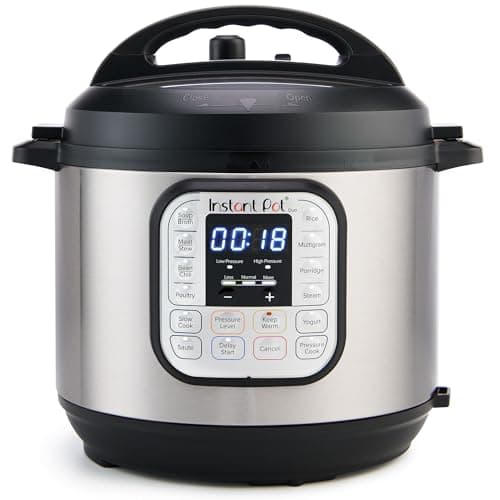
Instant Pot Duo 7-in-1 Electric Pressure Cooker, 6 Quart
The multicooker that made the category, and still the right default. Instant Brands publishes the wattage, the working pressure range and a stainless (not nonstick) inner pot, which is more than most of the field manages — and it costs less than almost all of them.
1,200 W
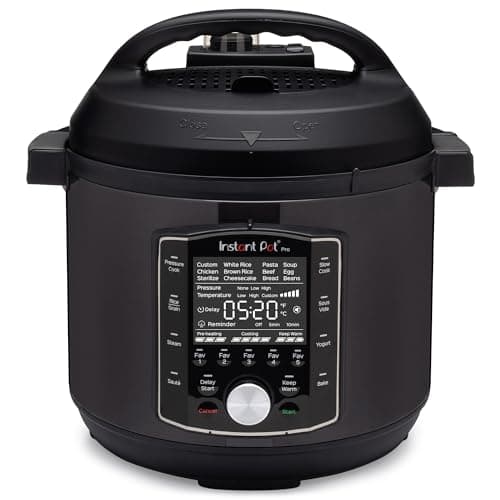
Instant Pot Pro 10-in-1 Pressure Cooker, 6 Quart
The Duo's mechanicals with the interface fixed: a genuine sous vide program, an auto-sealing lid, grab-and-go pot handles and five programmable buttons. It draws 1,200 W rather than the Duo's 1,000, and Instant Brands does not publish a working-pressure figure for it — the one gap in an otherwise well-documented cooker.
#ad · As an Amazon Associate we earn from qualifying purchases.
Questions
Frequently asked
What is the difference between natural release and quick release?
Why does my Instant Pot spray when I quick release?
How do I know when it is safe to open the lid?
Keep reading
Related
- How to cook rice in an Instant PotRatios, pressure and why a natural release matters for rice.
- How to use a pressure cookerThe full first-cook workflow, sear to serve.
- The Instant Pot Burn message, explainedThe other common first-week surprise.
- Is an Instant Pot worth it?Whether the learning curve pays off.
Receipts
Sources
- Instant Pot IP-DUO60 instruction manual (specification page)
- Instant Brands — Instant Pot Duo 6qt product page
We have not tested these machines in a lab and we do not pretend to have. Specifications come from the manufacturer's own published documents; electricity rates come from the US Energy Information Administration; prices come from the live Amazon API. Where a figure is not published, the page says “not published” rather than guessing. Read the full method.