HUB 03 · Sous Vide
How to Sous Vide a Chuck Roast
Chuck is one of the cheapest, toughest, most flavorful cuts there is, and sous vide can take it in two completely different directions. Hold it low for a day or two and it becomes a tender, sliceable medium-rare roast; hold it hot and it becomes fall-apart pot roast. Here is how to choose and cook each.
We earn a commission if you buy through our links. It does not change the price you pay, and it does not decide our picks — the scoring rubric is published in full, including what disqualifies a pick. How this works.
One cheap cut, two very different results
Chuck comes from the hard-working shoulder, so it is packed with flavor and connective tissue (collagen)that makes it tough — the reason it is normally braised for hours into pot roast. Sous vide can do the classic pot roast or something the stovetop cannot: hold chuck at a low, steak-like temperature long enough that the collagen dissolves while the meat stays a rosy medium-rare. Which you want decides the whole cook, so pick first. It is the tougher-cut sibling of sous vide brisket.
The low road: a sliceable medium-rare "roast"
Set the bath to 131–135°F and hold the roast for 24 to 48 hours. That sounds extreme, but time is what does the tenderizing here: over a day or two the collagen slowly converts to gelatin even at a low temperature, so the chuck comes out tender enough to slice yet still pink and juicy edge to edge — something you genuinely cannot get any other way. Aim for the longer end (48 hours) for a fork-tender result, the shorter (24) for a firmer, steakier bite. This long, low cook stays safe because holding well above 130°F for that long pasteurizes the meat thoroughly.
The high road: fall-apart pot roast
For traditional shreddable pot roast, go hot instead: 165–175°F for 8 to 24 hours. At that temperature the collagen melts quickly and the muscle fibers open up, giving the familiar fall-apart texture — the sous vide version of a braised pot roast, but with no risk of it drying out or scorching. Season the sealed bag with onion, garlic and herbs, and save the flavorful juices from the bag to make gravy.
Season, sear and the water note
Season the roast well and seal it (a covered containerhelps over these long cooks). Because a 24–48-hour bath loses a lot of water to evaporation, cover it and top it up, or the circulator can run low — the same concern as any overnight or multi-day cook. When it is done, dry it and sear hardfor the low-road roast (slice against the grain), or simply pull the high-road roast apart with forks. Either way, chuck is proof that sous vide turns the cheapest cut in the case into something special — see can you overcook sous vide on why the long times are safe.
The hardware
The cookers this page is about
The cookers referred to above, with prices pulled live from Amazon and dated on every card. Full rankings live in the roundups linked from this page.
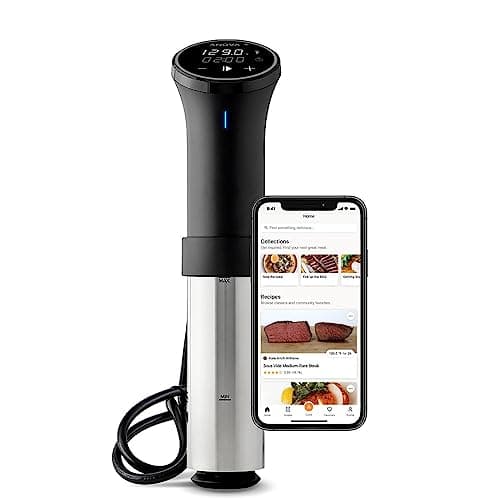
1,100 W
Anova Precision Cooker 3.0 (WiFi), 1100 W
The sous vide circulator most people should buy. Anova publishes the full specification — 1,100 W, a 0–92°C range, ±0.1°C accuracy, an 8 L/min pump — and backs it with a two-year warranty, the longest here. It has an on-device screen so it works without the app, which the Joule does not.
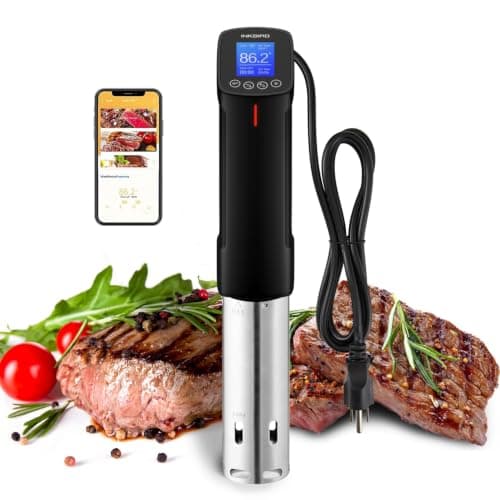
1,000 W
Inkbird ISV-100W WiFi Sous Vide, 1000 W
The value pick that does not feel like one. Under $100, and Inkbird still publishes the full specification: 1,000 W, a 25–99°C range, ±0.1°C accuracy, 15 L capacity, WiFi and an on-device dot-matrix screen. It undercuts the Anova by more than half and gives up remarkably little on paper.
#ad · As an Amazon Associate we earn from qualifying purchases.
Questions
Frequently asked
How long do you sous vide a chuck roast?
What temperature for a medium-rare chuck roast?
Is a 48-hour sous vide cook safe?
Keep reading
Related
Receipts
Sources
- USDA Food Safety and Inspection Service — safe minimum internal cooking temperatures
- USDA FSIS — cooking safely with time and temperature (pasteurization basics)
We have not tested these machines in a lab and we do not pretend to have. Specifications come from the manufacturer's own published documents; electricity rates come from the US Energy Information Administration; prices come from the live Amazon API. Where a figure is not published, the page says “not published” rather than guessing. Read the full method.