HUB 04 · Buying Guides
How to Choose a Multicooker
A multicooker can be a pressure cooker, a slow cooker, an air fryer and a rice pot in one box — or none of those, depending on the model. Choosing well is about matching the machine to how you actually cook, not chasing the biggest function count. Here are the questions that decide it.
We earn a commission if you buy through our links. It does not change the price you pay, and it does not decide our picks — the scoring rubric is published in full, including what disqualifies a pick. How this works.
Start with what a multicooker actually is
“Multicooker” is a loose word, and that is the first thing to get straight, because it is why people buy the wrong one. It can mean an electric pressure cooker that also slow-cooks and steams (the classic Instant Pot Duo), a pressure cooker with an air-fry lid (the Duo Crisp), or a big pot that sears and slow-cooks but has no pressure at all (the Ninja PossibleCooker PRO). They are not interchangeable. So choosing well is less about picking a brand and more about answering a short set of questions about how you cook — and the closely related terminology is untangled in pressure cooker vs multicooker. Work through these and the right machine narrows down fast.
Question 1: do you actually need pressure cooking?
This is the biggest fork, because pressure is the one thing that genuinely sets these machines apart — it is what turns a tough roast or dried beans around in forty minutes instead of hours. Ask yourself honestly whether speed on a weeknight is why you want the machine. If yes, you want a real electric pressure cooker — the whole Instant Pot line, or a Ninja Foodi — and that fast, hands-off weeknight cooking is the payoff, explained in how to use a pressure cooker. If you realize you never actually used the pressure function on a previous cooker and mostly slow-cook and sear, be honest about that: a no-pressure machine like the Ninja PossibleCooker PRO drops the mechanism you never use (and the gasket maintenance it needs) and gives you a bigger, oven-safe pot instead. Do not pay for pressure you will not use, and do not skip it if a fast weeknight dinner is the goal.
Question 2: do you want air fry or sous vide?
Beyond pressure, two extra capabilities genuinely change the machine, and the rest is mostly preset buttons (as we explain in what the Instant Pot buttons mean). The first is air fry: a crisping lid, as on the Duo Crisp or the Ninja Foodi, lets one machine pressure-cook and crisp, which is the real argument for a combo unit and covered in the air-fryer multicooker roundup — worth it if you would otherwise buy a separate air fryer, not worth it if you already own one. The second is sous vide: the Pro and Duo Plus add a sous vide program, a real bonus if you want to dabble (though a dedicated circulator does it better, per do you need a sous vide if you have an Instant Pot). If neither appeals, do not pay for them — the plain Duo cooks the core jobs just as well for less.
Question 3: what size fits your household?
Capacity is simple but easy to get wrong in both directions. The 6-quart size is the default and suits most households — a family dinner with leftovers. Go 3-quart (the Duo Mini) only if you cook for one or two or want a small second pot, remembering it is a hard ceiling that will not scale up. Go 7.5 or 8.5 quarts if you cook for a crowd or batch-cook, as covered in the large multicooker roundup — but know that the bigger pot takes more counter space and takes longer to come to pressure. The honest rule is to size for how you usually cook, not the biggest party you might one day host; an oversized pot is annoying to store and slower every ordinary day.
Question 4: how well is it documented?
This is the criterion most buyers never think of, and it is the one this whole site is built on. A brand that publishes its wattage, its working pressure and a real warranty is telling you something about how it stands behind the machine — and one that hides those figures is telling you something too. It also matters practically: a published wattage is what lets you know what the cooker costs to run (the running-cost arithmetic), and a published pressure figure is a mark of a serious pressure cooker. Instant Brands documents the Duo unusually completely; some rivals publish almost nothing. When two machines look similar, let documentation break the tie — it is the most checkable signal of quality there is, and it is why our methodologyscores it directly. A “14-in-1” sticker with no published specs is worth less than a plain 7-in-1 that tells you exactly what it does.
Putting it together
The short version: decide if you need pressure (speed) or would be happier with a big no-pressure searing pot; decide whether air fry or sous vide genuinely matters to you, and don't pay for the ones that don't; size for how you usually cook, not your biggest party; and let documentation — a published wattage, pressure figure and warranty — break ties. Ignore the function-count sticker. For most people the answer is a well-documented 6-quart pressure multicooker; the best multicooker roundup and which Instant Pot to buy map the specific models onto these answers.
The hardware
The cookers this page is about
The cookers referred to above, with prices pulled live from Amazon and dated on every card. Full rankings live in the roundups linked from this page.
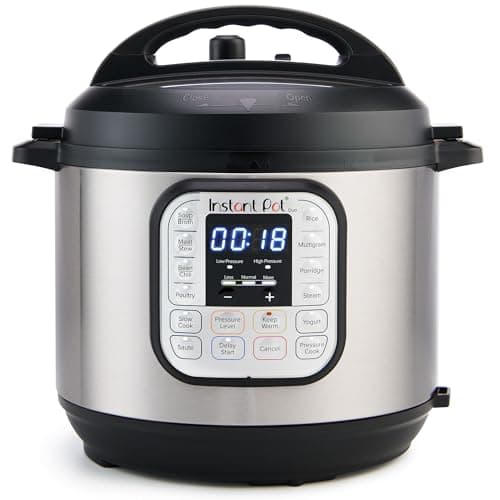
1,000 W
Instant Pot Duo 7-in-1 Electric Pressure Cooker, 6 Quart
The multicooker that made the category, and still the right default. Instant Brands publishes the wattage, the working pressure range and a stainless (not nonstick) inner pot, which is more than most of the field manages — and it costs less than almost all of them.
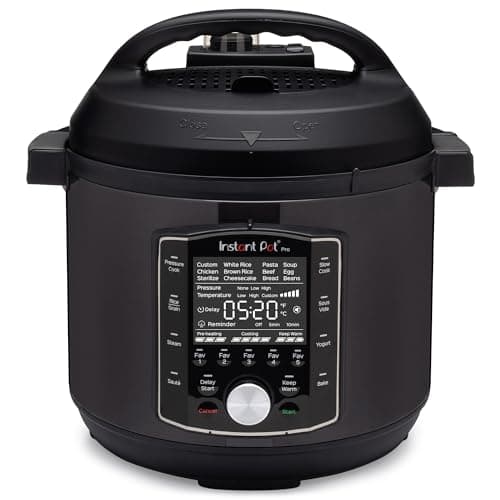
1,200 W
Instant Pot Pro 10-in-1 Pressure Cooker, 6 Quart
The Duo's mechanicals with the interface fixed: a genuine sous vide program, an auto-sealing lid, grab-and-go pot handles and five programmable buttons. It draws 1,200 W rather than the Duo's 1,000, and Instant Brands does not publish a working-pressure figure for it — the one gap in an otherwise well-documented cooker.
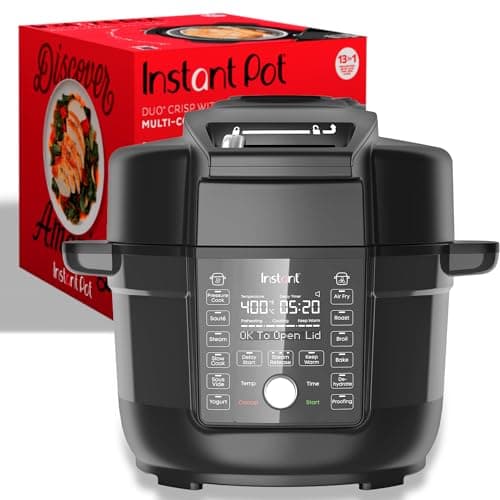
1,500 W
Instant Pot Duo Crisp Ultimate Lid, 13-in-1 Air Fryer & Pressure Cooker, 6.5 Quart
The one lid that both pressurizes and crisps, which is the whole argument against buying a pressure cooker and an air fryer separately. It draws 1,500 W — the most of any Instant Pot here — and that higher draw is the air-fry element doing real work, not a spec-sheet flourish.
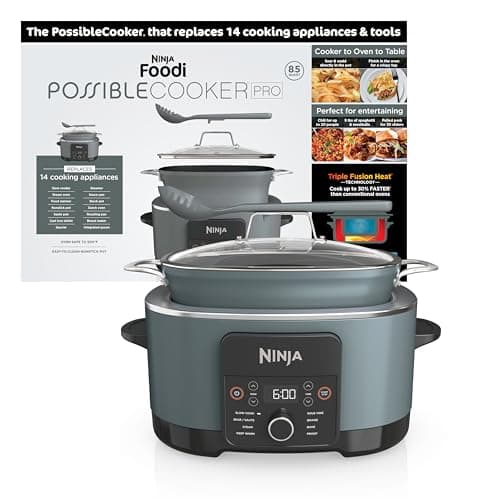
1,200 W
Ninja 14-in-1 PossibleCooker PRO, 8.5-Quart Multicooker (MC1001)
Ninja's current multicooker, and pointedly NOT a pressure cooker. It is an 8.5-quart pot that sears, slow-cooks, steams and goes in the oven to 500°F, at 1,200 W. If you never used the pressure function on your old Instant Pot, this is the more honest machine for how you actually cook.
#ad · As an Amazon Associate we earn from qualifying purchases.
Questions
Frequently asked
What should I look for when buying a multicooker?
Do I need a pressure cooker or just a multicooker?
What size multicooker should I buy?
Keep reading