HUB 04 · Buying Guides
Sous Vide vs Oven
An oven cooks from the outside in with hot air; sous vide cooks to one exact temperature in a water bath. That single difference is why sous vide gives edge-to-edge doneness a roast never quite matches, and why an oven browns and crisps in a way water cannot. The honest comparison, and why the two together beat either alone.
We earn a commission if you buy through our links. It does not change the price you pay, and it does not decide our picks — the scoring rubric is published in full, including what disqualifies a pick. How this works.
Two very different ways to apply heat
The core difference is how the heat reaches the food. An ovensurrounds it with hot, dry air — often 350°F or more — and cooks from the outside in, so the outer layers get hotter than the center. Sous vide holds the food in a water bath at exactly the final temperature you want, so it cannot overshoot. That one distinction drives everything else, and it is the same reason sous vide wins the head-to-heads against grilling and a slow cooker on precision.
Where sous vide wins
Sous vide's advantage is precision and forgiveness. Because the bath is at the target temperature, a steak or a chicken breast cooks edge to edge to one donenesswith no gray band and no dry outer layer, and it is nearly impossible to overcook — you can leave it in longer without harm. For lean, unforgiving foods (a turkey breast, salmon, eggs) where the oven so easily dries things out, that control is a genuine leap. It is also hands-off and repeatable: the same numbers give the same result every time.
Where the oven wins
The oven's advantages are just as real. It is fasterfor most things — no hour-long bath — and, crucially, its dry heat browns and crisps: roasted potatoes, crackling skin, a baked crust, the Maillard reaction that water simply cannot produce. Sous vide, by contrast, leaves food pale. An oven is also better for large or awkward items (a whole roast chicken, a tray of vegetables, anything you would not want to bag) and needs no special equipment you do not already own. For everyday roasting and baking, the oven is the right and obvious tool.
The honest answer: use both
The best results usually combine them, which is why this is not really either-or. Cook the protein sous vide for perfect, edge-to-edge doneness, then finish it in a very hot oven or broilerfor the browning and crust the bath cannot give — the same “sear after” logic in sear before or after sous vide. As a decision rule: reach for sous vide when exact doneness matters and drying out is the risk; reach for the ovenwhen you want speed, browning, or to cook something large and dry-heat friendly. And note some multicookers blur the line — the Instant Pot Pro even has a sous vide program built in. If you are weighing whether sous vide earns a place at all, start with is sous vide worth it.
The hardware
The cookers this page is about
The cookers referred to above, with prices pulled live from Amazon and dated on every card. Full rankings live in the roundups linked from this page.
1,200 W
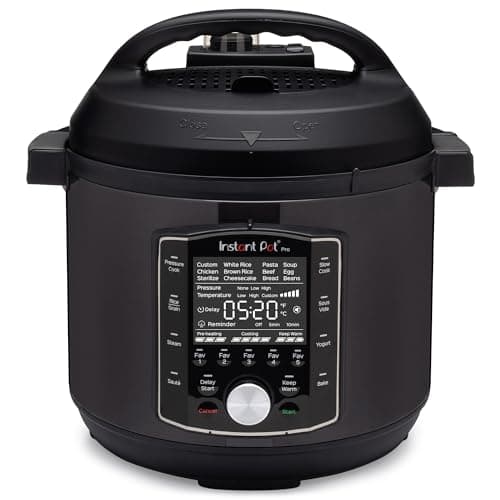
Instant Pot Pro 10-in-1 Pressure Cooker, 6 Quart
The Duo's mechanicals with the interface fixed: a genuine sous vide program, an auto-sealing lid, grab-and-go pot handles and five programmable buttons. It draws 1,200 W rather than the Duo's 1,000, and Instant Brands does not publish a working-pressure figure for it — the one gap in an otherwise well-documented cooker.
- PickNo image
800 W
Monoprice Strata Home Sous Vide Immersion Cooker, 800 W
The cheapest way to find out whether you actually like sous vide. Physical controls only, an 800 W element, a factory-calibrated sensor you can recalibrate yourself, and a directional pump cap that is a genuinely thoughtful touch at the price. Monoprice publishes the full spec in the manual, which the price does not lead you to expect.
#ad · As an Amazon Associate we earn from qualifying purchases.
Questions
Frequently asked
Is sous vide better than an oven?
Can you finish sous vide in the oven?
When should you use the oven instead of sous vide?
Keep reading