HUB 01 · Multicookers
Instant Pot Pot-in-Pot (PIP) Cooking
Pot-in-pot is one of the most useful Instant Pot techniques nobody explains up front: you set a heat-safe dish on the trivet above a little water and cook in that inner vessel. It is how you cook delicate foods and small batches, cook two components at once, dodge scorching and the Burn message, and reheat without drying. Here is how to do it and what vessels are safe.
We earn a commission if you buy through our links. It does not change the price you pay, and it does not decide our picks — the scoring rubric is published in full, including what disqualifies a pick. How this works.
What pot-in-pot means
Pot-in-pot — PIP for short — is exactly what it sounds like: you put a second, heat-safe dish insidethe Instant Pot's inner pot and cook the food in that dish rather than directly in the pot. The setup is simple. You pour a measured amount of water into the stainless inner pot, stand the trivet (the little wire rack that ships with the cooker) in the water, and set your dish on top of the trivet so it sits above the water, not in it. The pot comes to pressure from the water below, and the steam cooks whatever is in the raised dish. It is a technique the manual barely mentions, and it quietly solves several of the most common Instant Pot frustrations — from scorching to small batches to cooking two things at once. Once you have used it a few times it becomes second nature.
Why cook this way
PIP earns its place because it fixes real problems. It lets you cook delicate foods — egg bites, custards, cheesecake, a small cake — gently in their own dish instead of against the base. It handles small batches cleanly, cooking a cup of rice or a single portion in a small bowl rather than heating the whole pot. It lets you cook two components at once, which is its best trick and gets its own section below. It avoids scorching and the Burn message, because thick, sticky or dairy-heavy foods that would catch on the hot base cook in the raised dish while only clean water touches the element — the exact scenario behind the Burn message. And it reheats without drying, gently steaming leftovers back to temperature instead of blasting them. Any one of these is a reason to learn it; together they make PIP one of the highest-value Instant Pot skills.
The method: trivet, water, dish
The mechanics are quick to learn. Pour water into the inner pot — enough to generate steam and reach pressure for the length of the cook, since it is the water below that pressurizes the machine, not the food in the dish. Stand the trivet in the water so its legs hold the dish clear of the surface. Set your heat-safe dish, uncovered or loosely covered with foil depending on the recipe, on the trivet. Then seat the lid, set the valve to Sealing, and cook on pressure as usual. Because the food is raised out of direct contact with the element, the underlying pressure-cooking technique is the same — you are simply moving the food off the base and into a container above the water. A sling of folded foil or a set of silicone helper handles makes lifting a hot dish out at the end far easier; a dish full of hot food in a deep pot is otherwise awkward to retrieve.
What vessels are safe
The dish has to survive pressure, heat and moisture, so material matters. Safe choices are ones rated for oven or pressure use: oven-safe ceramic and glass (such as a Pyrex or ramekin rated for the oven), stainless steel bowls and containers, and food-grade silicone molds and dishes. These all handle the heat and the wet environment without cracking, warping or leaching. What to avoid: anything not rated oven- or pressure-safe — thin plastic, decorative glazed ceramics that are not oven-rated, and any dish with a crack or a metallic trim that could fail under heat. The dish also has to physically fit: it must clear the pot walls with room for steam to circulate and still let you seat the lid. When in doubt, a plain stainless bowl or an oven-safe glass dish that nests inside the pot is the reliable default. Match the dish size to the pot, which is where the machine you own starts to matter.
Cooking two components at once
The reason many people learn PIP is to cook a whole small meal in one run. You can cook a main in the base and a side in the raised dish at the same time — for example, a stew or a piece of protein directly in the inner pot with a bowl of rice sitting on the trivet above it, both coming to doneness together. The catch, and it is an honest one, is that both components have to want roughly the same cook time and pressure, or one comes out over- or under-done. So PIP pairs foods with similar timing — rice above a quick braise, potatoes above a protein — rather than anything goes. Done thoughtfully, it turns the Instant Pot into a one-pot, two-dish machine and saves you a second appliance or a second round. Done carelessly, you get perfect rice over raw chicken, so match the timings first.
When a smaller pot helps: the Duo Mini
PIP and pot size interact in a way worth knowing. In a full 6-quart pot, a small PIP dish has a lot of empty space around it, and you are heating a large pot to cook a little food. For small households or for people who mostly cook single portions this way, the 3-quart Duo Mini is a better fit: its smaller interior suits small dishes, it comes to pressure fast, and at 700 W it is the lowest-draw Instant Pot on this site, so a small PIP cook is genuinely economical. The trade is the obvious one — the Mini caps the size of dish you can fit, so it is not the pot for large PIP or for a family. If you cook big, stay with a 6-quart or larger and simply use PIP for the specific jobs it is good at. Either way, the technique is the same; the pot just sets the scale.
The hardware
The cookers this page is about
The cookers referred to above, with prices pulled live from Amazon and dated on every card. Full rankings live in the roundups linked from this page.
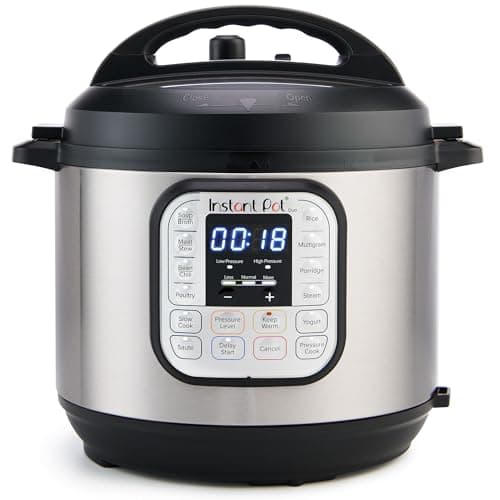
1,000 W
Instant Pot Duo 7-in-1 Electric Pressure Cooker, 6 Quart
The multicooker that made the category, and still the right default. Instant Brands publishes the wattage, the working pressure range and a stainless (not nonstick) inner pot, which is more than most of the field manages — and it costs less than almost all of them.
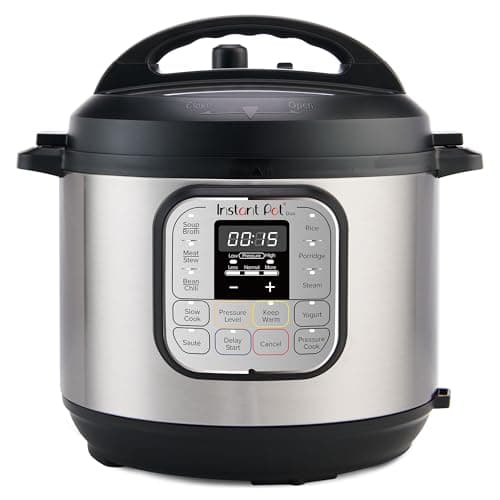
700 W
Instant Pot Duo Mini 7-in-1, 3 Quart Electric Pressure Cooker
The Duo shrunk to 3 quarts. It is the right size for one or two people, for a dorm or an RV, or as a second pot for a side dish while the big one does the main. The same 7-in-1 function set, the same stainless pot, in a footprint that actually fits a small kitchen.
#ad · As an Amazon Associate we earn from qualifying purchases.
Questions
Frequently asked
What is pot-in-pot cooking in an Instant Pot?
What dishes are safe to use for pot-in-pot?
Does pot-in-pot help avoid the Burn message?
Keep reading
Related
Receipts
Sources
- Instant Brands — Instant Pot Duo 6qt product page
- Instant Brands — Instant Pot Duo Mini 3qt product page
We have not tested these machines in a lab and we do not pretend to have. Specifications come from the manufacturer's own published documents; electricity rates come from the US Energy Information Administration; prices come from the live Amazon API. Where a figure is not published, the page says “not published” rather than guessing. Read the full method.