HUB 01 · Multicookers
How to Use a Pressure Cooker
Electric pressure cookers are safe and simple once you understand the one thing they do. Here is the mechanism in plain terms, the steps that matter, and the two mistakes that account for almost every first-time failure.
We earn a commission if you buy through our links. It does not change the price you pay, and it does not decide our picks — the scoring rubric is published in full, including what disqualifies a pick. How this works.
What pressure cooking actually does
Water boils at 212°F in an open pot, and it will not get hotter than that no matter how high you turn the heat — the extra energy just makes steam. Seal the pot and trap that steam, and the pressure rises, which raises the boiling point to around 250°F. That extra ~40°F is the whole magic: food cooks dramatically faster, and tough collagen in meat breaks down into gelatin in an hour instead of three. Nothing about it is dangerous on a modern electric cooker, which has multiple independent safety mechanisms and will not open under pressure.
The basic steps
- Add your food and at least a cup of thin liquid — the cooker needs liquid to make steam. This is the single most common failure point.
- Lock the lid and set the steam valve to Sealing (on cookers without an auto-sealing lid, this is the step people forget).
- Select a program or set the pressure and time. The cooker first heats until it reaches pressure — that takes several minutes and is not counted in the cook time — then the timer begins.
- When the timer ends, release the pressure: natural release (let it drop on its own, best for meat and beans) or quick release (flip the valve, best for vegetables and anything you do not want to overcook).
Natural vs quick release
This is the one technique worth understanding. Natural release lets the pressure fall slowly as the cooker cools, which keeps meat tender and stops starchy or foamy foods (beans, oats, soup) from spitting out of the valve. Quick release vents the steam immediately by flipping the valve, which stops the cooking right away — use it for vegetables, seafood and anything at risk of overcooking. When a recipe says “10 minutes, then natural release for 10”, it means both.
The two mistakes beginners make
One: the valve on Venting. If the cooker never comes up to pressure and just leaks steam, the valve is set to Venting instead of Sealing. This is so common that the Instant Pot Pro added an auto-sealing lid specifically to prevent it. Two: not enough liquid.No liquid means no steam means no pressure — and a “Burn” warning. A cup of thin stock or water is the minimum for most 6-quart cookers.
That is genuinely all of it. Once those two are habit, an electric pressure cooker is the most forgiving appliance in the kitchen. The cookers that do it best are ranked here, and the auto-sealing Instant Pot Pro removes the first mistake entirely.
The hardware
The cookers this page is about
The cookers referred to above, with prices pulled live from Amazon and dated on every card. Full rankings live in the roundups linked from this page.
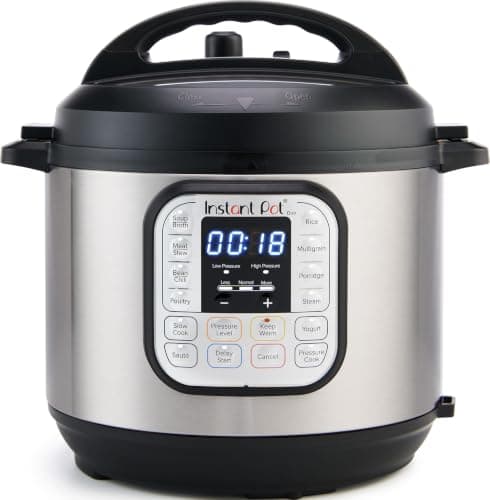
1,000 W
Instant Pot Duo 7-in-1 Electric Pressure Cooker, 6 Quart
The multicooker that made the category, and still the right default. Instant Brands publishes the wattage, the working pressure range and a stainless (not nonstick) inner pot, which is more than most of the field manages — and it costs less than almost all of them.
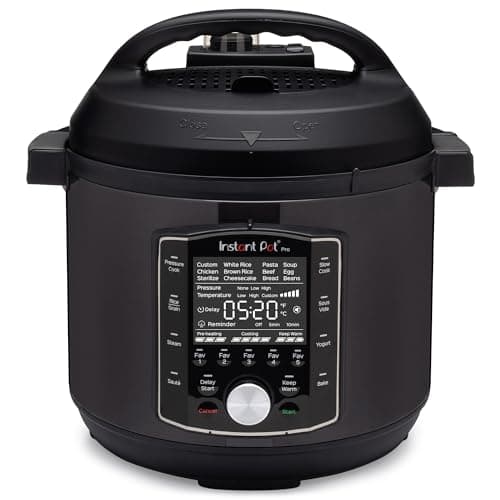
1,200 W
Instant Pot Pro 10-in-1 Pressure Cooker, 6 Quart
The Duo's mechanicals with the interface fixed: a genuine sous vide program, an auto-sealing lid, grab-and-go pot handles and five programmable buttons. It draws 1,200 W rather than the Duo's 1,000, and Instant Brands does not publish a working-pressure figure for it — the one gap in an otherwise well-documented cooker.
#ad · As an Amazon Associate we earn from qualifying purchases.
Questions
Frequently asked
Are electric pressure cookers safe?
How much liquid does a pressure cooker need?
What is the difference between natural and quick release?
Keep reading
Related
- How to cook a pot roast in an Instant PotA tough roast, tender in about an hour.
- Instant Pot cooking timesWhy a '5-minute' cook really takes twenty.
- What do the Instant Pot buttons mean?The button panel, demystified.
- Pot-in-pot (PIP) cookingCook a second dish on the trivet, or dodge the Burn message.
- Converting recipes for pressureAdapt a stovetop or slow-cooker recipe.
- The best stovetop pressure cookersThe same technique, on a pot that reaches 15 psi.
- Can you slow cook in an Instant Pot?Yes - here is how it compares to a Crock-Pot.
- Best electric pressure cookersThe machines to do this on.
- Natural vs quick releaseWhich release each food needs, and why.
- Can you pressure can in an Instant Pot?The honest, safety-first answer.
- Best multicookersThe wider field, including combo units.
- Multicooker vs slow cookerIf you are still deciding you need pressure at all.
Receipts
Sources
- USDA Food Safety and Inspection Service — safe minimum internal cooking temperatures
- Instant Pot IP-DUO60 instruction manual (specification page)
We have not tested these machines in a lab and we do not pretend to have. Specifications come from the manufacturer's own published documents; electricity rates come from the US Energy Information Administration; prices come from the live Amazon API. Where a figure is not published, the page says “not published” rather than guessing. Read the full method.