HUB 01 · Multicookers
Instant Pot Not Sealing? Here's Why
An Instant Pot that won't come to pressure is almost never broken — it is one of a short list of easy-to-fix causes, and the first one accounts for most cases by a wide margin. Here they are in order of likelihood, with the fix for each, plus how to tell a genuine sealing problem from a pot that is simply taking its time.
We earn a commission if you buy through our links. It does not change the price you pay, and it does not decide our picks — the scoring rubric is published in full, including what disqualifies a pick. How this works.
First: is it actually not sealing, or just taking time?
Before you troubleshoot anything, rule out the false alarm, because it is the most common “problem” of all. An Instant Pot does not pressurize instantly — after you press start it spends several minutes, sometimes fifteen or more, quietly building steam before the float valve pops up and the timer begins counting down. A full, cold pot takes longer. During that time you will see steam, hear it, and nothing on the display counts down yet — and that is completely normal, not a fault. A genuine sealing failure is different: steam escapes freely and continuously from around the lid or out the release valve, the float valve never rises, and the pot never starts its countdown. If yours is simply sitting there heating with a little steam, give it more time before assuming anything is wrong.
1. The steam-release valve is on Venting
This is the number-one cause by a wide margin — on the Duo and other models with a manual toggle, if the valve is set to Venting instead of Sealing, steam escapes as fast as it is made and the pot can never build pressure. Check this first, every time. Turn the valve to Sealing and restart. It is such a common mistake that it is the single biggest reason to consider a model with an auto-sealing lid: the Pro seals itself when you close the lid, so this failure mode simply does not exist on it. If you keep forgetting the valve, that feature alone may be worth the upgrade — it is the mistake that sends the most people searching for why their pot will not pressurize.
2. The sealing ring is missing, misseated, warped or dirty
The silicone sealing ring that lines the underside of the lid is what makes the pot airtight, and it causes the second-biggest share of sealing failures. Run through it in order: is the ring actually installed (it is easy to leave out after washing)? Is it seated fully and evenly in its rack all the way around, not half-tucked? Is it clean — food residue or grease on the ring breaks the seal? And is it warped or stretched from age or heat, so it no longer sits flush? Rings are a consumable: they absorb odors and lose their shape over time, and the standard advice is to replace the sealing ring roughly once a year with regular use, and sooner if it looks stretched, cracked or misshapen. A tired ring is a leaky ring.
3. The float valve is stuck, and other quick checks
A few smaller causes account for most of the rest. The float valve — the little pin that pops up to lock the lid and signal pressure — can stick down if its small silicone seal is dirty or gummy; clean it so it moves freely. There may be not enough thin liquid in the pot to generate steam at all: a pressure cooker needs a minimum of watery liquid (about a cup for a 6-quart pot), and a recipe that is too dry, or thickened so it cannot make steam, will not pressurize — the same problem that causes the Burn message. The lid may not be fully locked into the closed position — lift and re-close it until it clicks home. And food or ring debris on the pot rim can hold the lid a hair open; wipe the rim and the top edge of the pot clean. Work down this list and you will almost always find it.
4. A torn gasket or worn hardware
If the valve is on Sealing, the ring is present, clean and correctly seated, the float valve moves, there is plenty of thin liquid, and the lid is locked — and it still vents steam and never pressurizes — then you are likely looking at a torn, cracked or permanently stretched gasket that no longer seals even when installed correctly. This is the point to replace the sealing ring outright rather than reseat it; a genuinely damaged ring cannot be coaxed into working. Buying a spare or two is cheap insurance, which is why several Instant Pot bundles ship with extra rings. Only if a brand-new, correctly fitted ring on an otherwise correctly operated pot still fails should you suspect the lid hardware itself and contact Instant Brands — that is rare.
Keeping it sealing: a little upkeep
Most sealing failures are preventable with a couple of small habits. After every cook, wash and dry the sealing ring and check it is seated evenly when you put it back — a ring reinstalled in a hurry is a ring that leaks. Wipe the pot rim and the underside of the lid so no food or dried residue holds the seal open. Periodically check that the float valve and its small seal move freely and are not gummed up. Keep a spare sealing ring on hand so a worn one never leaves you stuck mid-recipe, and consider two rings in rotation — one for savory cooking and one for anything that leaves a lingering smell — since silicone absorbs odors over time. None of this takes more than a few seconds, and it heads off the exact problems that send people searching for why the pot will not come to pressure. The same upkeep keeps the pot in good cleaning shape generally.
The order to check, every time
Run the list in this order and you will fix almost every case in under a minute: (1) is the steam valve on Sealing, not Venting — check this first, always; (2) is the sealing ring installed, clean, evenly seated and not warped; (3) does the float valve move freely; (4) is there at least a cup of thin liquid in the pot; (5) is the lid fully locked and the rim clean; (6) if all of that checks out and it still leaks, replace the ring. And remember the false alarm: a pot quietly building steam for ten minutes is working normally, not failing. If forgetting the valve is your recurring problem, the auto-sealing Pro removes it entirely; the underlying technique is in how to use a pressure cooker.
The hardware
The cookers this page is about
The cookers referred to above, with prices pulled live from Amazon and dated on every card. Full rankings live in the roundups linked from this page.
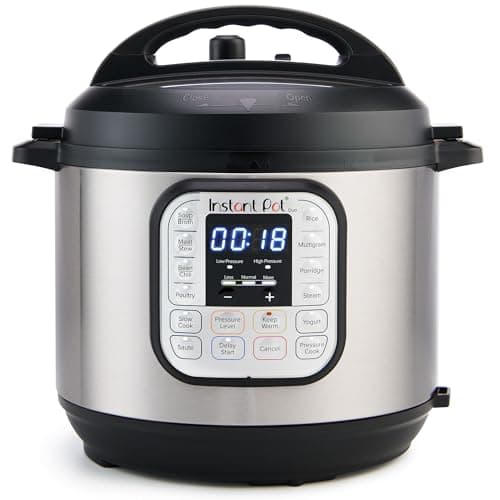
1,000 W
Instant Pot Duo 7-in-1 Electric Pressure Cooker, 6 Quart
The multicooker that made the category, and still the right default. Instant Brands publishes the wattage, the working pressure range and a stainless (not nonstick) inner pot, which is more than most of the field manages — and it costs less than almost all of them.
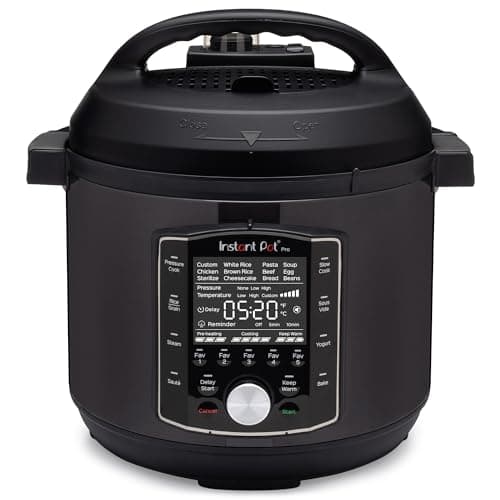
1,200 W
Instant Pot Pro 10-in-1 Pressure Cooker, 6 Quart
The Duo's mechanicals with the interface fixed: a genuine sous vide program, an auto-sealing lid, grab-and-go pot handles and five programmable buttons. It draws 1,200 W rather than the Duo's 1,000, and Instant Brands does not publish a working-pressure figure for it — the one gap in an otherwise well-documented cooker.
#ad · As an Amazon Associate we earn from qualifying purchases.
Questions
Frequently asked
Why won't my Instant Pot come to pressure?
How often should I replace the sealing ring?
How do I know if my Instant Pot is sealing or just slow?
Keep reading
Related
- The Instant Pot water testProve the seal works on a dry run first.
- The Instant Pot Burn messageThe other alarm new owners meet, explained.
- Natural vs quick releaseHow the pressure cycle actually works.
- How to use a pressure cookerThe valve, ring and lid basics done right.
- Instant Pot lid won't open?The opposite problem, and its safe fix.
Receipts
Sources
- Instant Brands — Instant Pot Duo 6qt product page
- Instant Pot IP-DUO60 instruction manual (specification page)
- Instant Brands — Instant Pot Pro 6qt product page
We have not tested these machines in a lab and we do not pretend to have. Specifications come from the manufacturer's own published documents; electricity rates come from the US Energy Information Administration; prices come from the live Amazon API. Where a figure is not published, the page says “not published” rather than guessing. Read the full method.