HUB 01 · Multicookers
Are Instant Pots Safe?
The old stovetop pressure cookers earned a scary reputation. Modern electric ones are a different machine: they are among the safest appliances in the kitchen because of layered safety systems that make the dangerous failure modes very hard to reach. Here is what those systems actually do, how to operate one safely, and the one job an Instant Pot is genuinely not safe for.
We earn a commission if you buy through our links. It does not change the price you pay, and it does not decide our picks — the scoring rubric is published in full, including what disqualifies a pick. How this works.
Short answer: yes, and here is why
Your grandmother's stovetop pressure cooker — the one that could rattle and, if neglected, fail dramatically — is not what a modern Instant Pot is. Today's electric pressure cookers are engineered with multiple independent safety systems, and they are independently safety-certified (UL listed in the US). That combination makes the frightening failures people associate with old pressure cookers very hard to reach with an appliance used as intended. An Instant Pot is, in normal use, one of the safer things on your counter — the risk is not the machine exploding, it is ordinary steam burns from careless handling, which good habits prevent.
The safety systems, and what each one does
Several layers work together so that no single mistake creates danger. A lid that locks is the big one: once the pot is under pressure, the lid physically will not open, which removes the classic hazard of a cook forcing off a pressurized lid. A float valve rises to indicate and help seal pressure, and drops when the pressure is gone so you know it is safe to open. Over-pressure protection — release mechanisms that vent excess pressure automatically — keeps the pot from ever exceeding its safe limit even if something goes wrong. And the machine constantly monitors temperature and cuts the heat if the base runs too hot, which is the same sensor behind the Burn message. No one of these is asked to do everything; they overlap, which is what “layered” safety means.
Operating one safely
The machine handles the pressure; your job is a handful of sensible habits. Keep the steam-release path clear and the valve and float clean, so pressure can always vent — a blocked vent is exactly what you do not want, and it overlaps with the reasons a pot won't seal. When you release steam, direct it away from your face, hands and overhanging cabinets — the venting steam is hot enough to burn skin and, over time, to damage cabinetry above the cooker. Never force the lid; if it will not turn, there is still pressure inside, and you should wait or use the release. Keep the sealing ring in good shape and replace it when it is worn, since a bad seal is both a performance and a safety issue. And know which release method a recipe wants, because a quick release of a foamy, full pot can spit hot liquid.
What not to do
A few things are simply outside what these machines are built for. Do not deep-fry in an electric pressure cooker: pressure cooking is a wet, sealed process, and heating a pot of oil is a different and genuinely dangerous activity these cookers are not designed or rated for — even the air-fry combos like the Duo Crisp crisp with hot air, not a vat of oil. Do not run a pressure cook with too little liquid, overfill past the max line (half full for foods that foam), or try to bypass the lid lock. None of these is exotic advice — it is the same short list that keeps any pressure cooker safe, and the machine's own systems back you up when you follow it.
The real everyday risk is steam, not explosions
It is worth being precise about where the risk actually lies, because it is not where the old reputation points. A modern electric pressure cooker is very unlikely to fail catastrophically; the injury people actually get is an ordinary steam or contact burn from careless handling. Escaping steam during a quick release is genuinely hot — hot enough to scald skin instantly and, aimed upward over months, to warp or discolor the cabinet above the cooker. So give the cooker clear space above the valve, turn a quick release with a long utensil or a covered hand rather than bare fingers, and step back as it vents. The pot, lid and inner vessel stay hot well after cooking, so treat them like anything off a stove. Handle the steam sensibly and the everyday hazard largely disappears — which is the honest shape of Instant Pot safety: the machine protects you from the dramatic failure, and simple care protects you from the mundane burn.
The one real limitation: pressure canning
Here is the important exception, and it is a food-safety one, not a will-it-explode one: most electric multicookers are not safe for home pressure canning of low-acid foods. Safely canning low-acid foods — most vegetables, meats, beans — requires holding a validated, consistent pressure and temperature high enough to destroy Clostridium botulinum spores, and food-safety authorities have not validated typical electric multicookers for that purpose; their pressure is lower and less tightly regulated than a tested stovetop pressure canner. Getting this wrong risks botulism, which is why this is the one place we are emphatic. If you want to can, use equipment validated for it and follow tested processes — the full reasoning, and what is safe, is in pressure canning in an Instant Pot, and the authoritative guidance is the USDA and the National Center for Home Food Preservation, cited below. Water-bath-safe high-acid foods like jams are a separate matter; low-acid pressure canning is the hard line.
The bottom line
Modern electric pressure cookers are very safe for everyday cooking — the lid lock, float valve, over-pressure release and independent certification mean the dangerous failure modes are hard to reach, and the real-world risk is ordinary steam burns you avoid by venting away from yourself, keeping the release path clear, and never forcing the lid. The one genuine exception is home pressure canning of low-acid foods, which most electric multicookers are not validated for — do that only with equipment tested for it. Follow the short list of habits and an Instant Pot is one of the more forgiving, better-protected appliances in the kitchen; if you are still weighing whether to own one, see is an Instant Pot worth it.
The hardware
The cookers this page is about
The cookers referred to above, with prices pulled live from Amazon and dated on every card. Full rankings live in the roundups linked from this page.
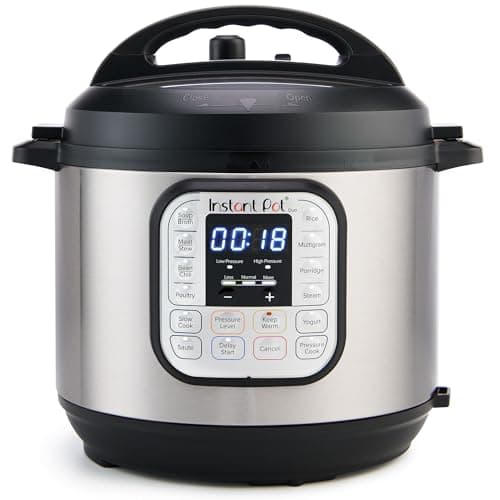
1,000 W
Instant Pot Duo 7-in-1 Electric Pressure Cooker, 6 Quart
The multicooker that made the category, and still the right default. Instant Brands publishes the wattage, the working pressure range and a stainless (not nonstick) inner pot, which is more than most of the field manages — and it costs less than almost all of them.
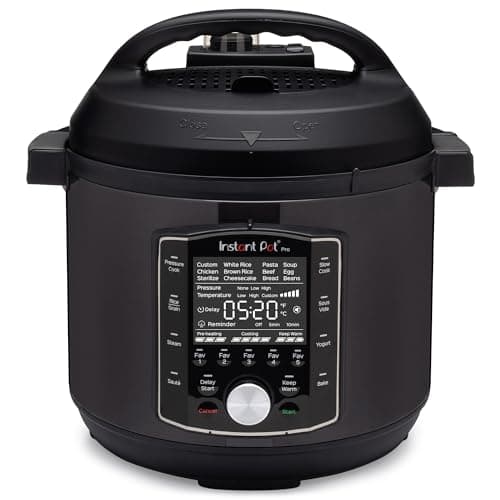
1,200 W
Instant Pot Pro 10-in-1 Pressure Cooker, 6 Quart
The Duo's mechanicals with the interface fixed: a genuine sous vide program, an auto-sealing lid, grab-and-go pot handles and five programmable buttons. It draws 1,200 W rather than the Duo's 1,000, and Instant Brands does not publish a working-pressure figure for it — the one gap in an otherwise well-documented cooker.
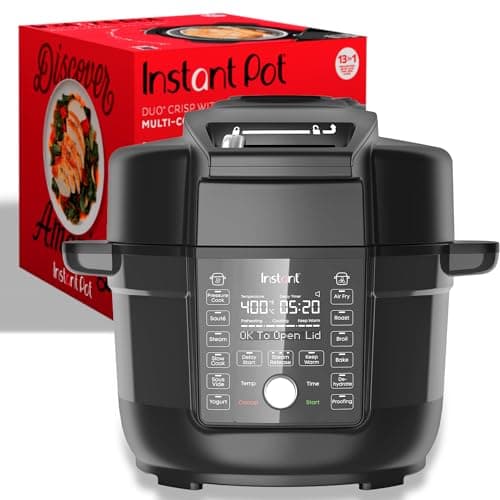
1,500 W
Instant Pot Duo Crisp Ultimate Lid, 13-in-1 Air Fryer & Pressure Cooker, 6.5 Quart
The one lid that both pressurizes and crisps, which is the whole argument against buying a pressure cooker and an air fryer separately. It draws 1,500 W — the most of any Instant Pot here — and that higher draw is the air-fry element doing real work, not a spec-sheet flourish.
#ad · As an Amazon Associate we earn from qualifying purchases.
Questions
Frequently asked
Are Instant Pots safe to use?
Can an Instant Pot explode?
Can you pressure can in an Instant Pot?
Keep reading
Related
Receipts
Sources
- Instant Brands — Instant Pot Duo 6qt product page
- USDA Food Safety and Inspection Service — safe minimum internal cooking temperatures
- National Center for Home Food Preservation — pressure canning guidance
We have not tested these machines in a lab and we do not pretend to have. Specifications come from the manufacturer's own published documents; electricity rates come from the US Energy Information Administration; prices come from the live Amazon API. Where a figure is not published, the page says “not published” rather than guessing. Read the full method.