HUB 03 · Sous Vide
How to Sous Vide a Steak
Sous vide is the most reliable way to cook a steak to an exact doneness, edge to edge, with no gray band — then you finish it with a fast, hard sear for the crust. Here is the whole method, the doneness temperatures, how long to leave it, and the food-safety line that matters.
We earn a commission if you buy through our links. It does not change the price you pay, and it does not decide our picks — the scoring rubric is published in full, including what disqualifies a pick. How this works.
Why sous vide is the steak method
A pan cooks a steak from the outside in, so by the time the center reaches medium-rare the outer layers are overcooked — the gray band. Sous vide holds the whole steak at the exact final temperature you want, so it cooks edge to edge to one doneness, then you add a crust at the end with a hard sear. It is the most forgiving, most repeatable way to cook a steak there is: set the temperature and you cannot overshoot it.
Step 1 — pick your doneness temperature
The water temperature is the doneness. As a starting frame, rare is roughly 120–125°F, medium-rare around 129–135°F, medium around 140°F, and up from there — but exact numbers and holding times belong in a reference, and we keep a full one in the sous vide temperature guide. Pick the temperature for the doneness you want and set the circulator to it; that single number decides the result more than anything else you do.
Step 2 — season and bag
Season the steak (salt, pepper, maybe a little garlic or thyme) and seal it in a bag. You do not need a vacuum sealer — a zip-top bag and the water-displacement method works fine. Get the air out so the bag sinks and the water contacts the meat evenly. A pinch of salt before the bath is fine; save any heavy dry rub for after, since long low cooks can make some seasonings behave differently.
Step 3 — time in the bath
A steak needs long enough to heat through to the core, then it holds. For a typical 1–1.5 inch steak, that is about one hour, and you can leave it up to about three to four hours without hurting it — the flexibility that makes sous vide so forgiving around a dinner schedule. Much beyond that and the texture starts to soften. This is where a circulator that holds temperature tightly earns its keep, and where a Turbo mode can shorten the wait.
Step 4 — the sear
This is not optional; it is where the flavor and crust come from. Take the steak out, dry it thoroughly with paper towels — a wet surface will not brown — and sear it hard and fast in a screaming-hot cast-iron pan, or with a torch, for under a minute a side. The interior is already at your target temperature, so the only goal is a crust, quickly, before the heat creeps inward. Rest a minute, then serve.
The food-safety line
Sous vide is pasteurization by time and temperature, not just a quick sear, so it is safe when done properly — but the rules are stricter than pan-cooking. Very low temperatures held for a short time do not pasteurize; the USDA guidance on safe time-and- temperature combinations is the reference to follow, and we link it below. As a rule, do not hold a steak at below about 130°F for extended multi-hour cooks, and follow a trusted time-and-temperature chart rather than guessing. Our temperature guide is here.
The hardware
The cookers this page is about
The cookers referred to above, with prices pulled live from Amazon and dated on every card. Full rankings live in the roundups linked from this page.
1,100 W
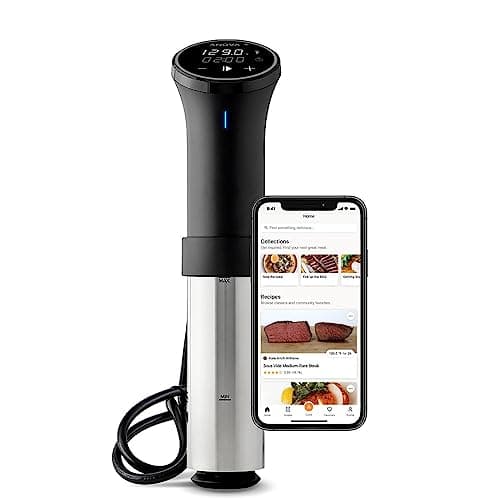
Anova Precision Cooker 3.0 (WiFi), 1100 W
The sous vide circulator most people should buy. Anova publishes the full specification — 1,100 W, a 0–92°C range, ±0.1°C accuracy, an 8 L/min pump — and backs it with a two-year warranty, the longest here. It has an on-device screen so it works without the app, which the Joule does not.
1,100 W
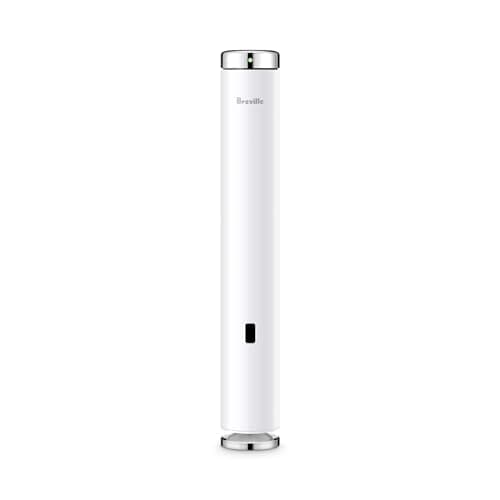
Breville Joule Turbo Sous Vide (BSV600), 1100 W
The smallest, cleverest and most divisive circulator here. It is app-only — there are no buttons and no screen, so your phone is the interface, full stop. In return you get the most compact body, a magnetic foot, IPX7 waterproofing, and a Turbo mode Breville claims can halve the time. 1,100 W.
#ad · As an Amazon Associate we earn from qualifying purchases.
Questions
Frequently asked
What temperature do you sous vide a steak?
How long does it take to sous vide a steak?
Do you have to sear a steak after sous vide?
Keep reading
Related
- How to sous vide brisketThe long, hands-off cook for a tough cut.
- Sear before or after sous vide?Getting the perfect crust on your steak.
- Sous vide vs grillingExact doneness vs char, and how to get both.
- Sous vide temperature guideThe doneness temperatures and holding times.
- Sous vide without a vacuum sealerThe bag method for the steak.
- How to sous vide lamb chopsThe same method on a pricier cut.
- How to sous vide burgersGround beef, and its stricter safety rule.
- What is sous vide?The method, from the top.
Receipts
Sources
- Anova Culinary — Precision Cooker 3.0 product page
- USDA FSIS — cooking safely with time and temperature (pasteurization basics)
- USDA Food Safety and Inspection Service — safe minimum internal cooking temperatures
We have not tested these machines in a lab and we do not pretend to have. Specifications come from the manufacturer's own published documents; electricity rates come from the US Energy Information Administration; prices come from the live Amazon API. Where a figure is not published, the page says “not published” rather than guessing. Read the full method.