HUB 04 · Buying Guides
Pressure Cooker vs Multicooker
The two terms get used interchangeably, and it causes real confusion at the shelf. A pressure cooker is defined by one thing it does; a multicooker is defined by doing many. Most Instant Pots are both at once — but not all multicookers pressure-cook, and that is exactly where people get caught out.
We earn a commission if you buy through our links. It does not change the price you pay, and it does not decide our picks — the scoring rubric is published in full, including what disqualifies a pick. How this works.
One is a function, the other is a bundle
The confusion comes from mixing up two different kinds of word. A pressure cooker is defined by what it does: it seals and cooks food under pressure, which raises the boiling point and cooks fast. A multicooker is defined by how many things it does: it bundles several cooking methods — typically pressure, slow cook, sauté, rice, steam, sometimes sous vide — into one appliance. So they are not really rivals on the same axis. One names a capability; the other names a category. That single distinction clears up almost all the confusion.
Why most Instant Pots are both
Here is why the terms blur: an Instant Pot is a multicooker that includes pressure cooking. The Duo pressure-cooks andslow-cooks, sautés, steams and cooks rice — so it is accurately called both a pressure cooker and a multicooker, and people use whichever word fits the moment. When someone says “I got an Instant Pot,” they mean a multicooker whose headline feature is pressure. That overlap is real and fine; the problem is only that it leads shoppers to assume every multicooker pressure-cooks. It does not.
The trap: multicookers that do not pressure-cook
Some multicookers deliberately leave pressure out. The Ninja PossibleCooker PRO is an 8.5-quart multicooker that sears, slow-cooks, steams and does sous vide — but it does not pressure-cook at all. If you buy it expecting a fast weeknight roast, you will be disappointed, because the one function that makes a pressure cooker fast is exactly the one it omits. This is the single most common mismatch we see: someone wants the speed of a pressure cooker and buys a multicookerthat happens not to have it. Always check the function list for “pressure” specifically — a long list of modes does not guarantee it.
And the other direction: pressure cookers that are not multicookers
It runs the other way too. A stovetop pressure cooker — the classic jiggle-top pot on a burner — is a pressure cooker that is nota multicooker: it does one thing, cooks under pressure, and nothing else. It has no slow-cook, sauté or rice program because it is not an electric appliance at all. So “pressure cooker” on its own does not imply the bundle of functions people now expect from an Instant Pot; it just means the pot cooks under pressure. If you specifically want only fast pressure cooking and nothing else, a stovetop model is the purest form of it.
A slow cooker is neither
To complete the picture: a slow cooker like the Crock-Pot is neither a pressure cooker nor a multicooker. It does one thing — cook low and slow for hours — with no pressure and no bundle of other functions. It is the honest opposite of a pressure cooker (slow on purpose), and it is why an Instant Pot, which includes a slow-cook mode and pressure and more, can replace a slow cooker but not the other way around. Knowing where the slow cooker sits helps the whole map make sense.
Which one you actually need
If you want speed and versatility in one box, buy a multicooker that includes pressure — that is an Instant Pot, and it is what most people mean and most people should get; our overall pick is the place to start. If you want the most functions but do not care about pressure — you only ever slow-cook and sear — a no-pressure multicooker like the Ninja PossibleCooker gives you more capacity and one less thing to maintain. And if you want nothing but fast pressure cooking, a stovetop pressure cooker is the simplest form of it. The rule: do not buy on the length of the function list — buy on whether “pressure” is on it and whether you actually want it. If you are still deciding between categories entirely, see which cooker do you need.
The hardware
The cookers this page is about
The cookers referred to above, with prices pulled live from Amazon and dated on every card. Full rankings live in the roundups linked from this page.
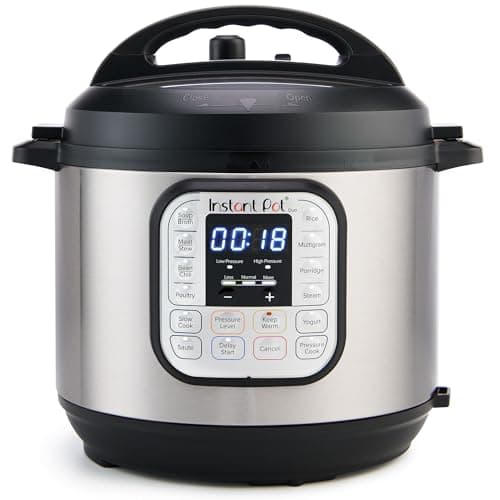
1,000 W
Instant Pot Duo 7-in-1 Electric Pressure Cooker, 6 Quart
The multicooker that made the category, and still the right default. Instant Brands publishes the wattage, the working pressure range and a stainless (not nonstick) inner pot, which is more than most of the field manages — and it costs less than almost all of them.
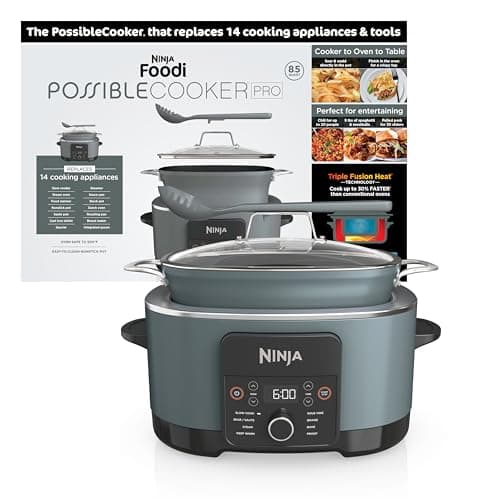
1,200 W
Ninja 14-in-1 PossibleCooker PRO, 8.5-Quart Multicooker (MC1001)
Ninja's current multicooker, and pointedly NOT a pressure cooker. It is an 8.5-quart pot that sears, slow-cooks, steams and goes in the oven to 500°F, at 1,200 W. If you never used the pressure function on your old Instant Pot, this is the more honest machine for how you actually cook.
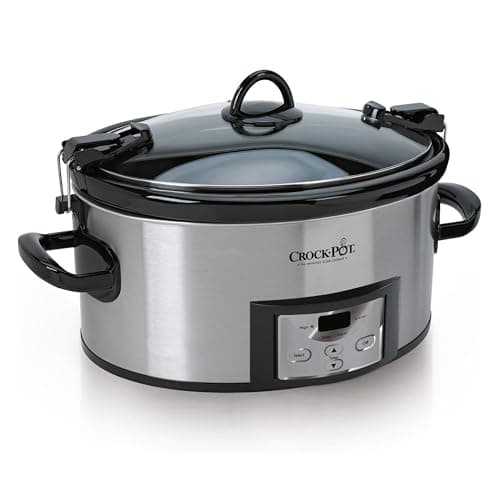
240 W
Crock-Pot 6-Quart Cook & Carry Programmable Slow Cooker
Not a multicooker and not a pressure cooker — a plain 6-quart programmable slow cooker with a locking Cook & Carry lid. It is here as the honest counterweight to the whole category: if the only function you ever used on a multicooker was Slow Cook, this does that one job for a fraction of the price.
#ad · As an Amazon Associate we earn from qualifying purchases.
Questions
Frequently asked
What is the difference between a pressure cooker and a multicooker?
Do all multicookers pressure cook?
Is an Instant Pot a pressure cooker or a multicooker?
Keep reading
Related
Receipts
Sources
- Instant Brands — Instant Pot Duo 6qt product page
- SharkNinja — Ninja 14-in-1 PossibleCooker PRO 8.5qt (MC1001) product page
- USDA Food Safety and Inspection Service — safe minimum internal cooking temperatures
We have not tested these machines in a lab and we do not pretend to have. Specifications come from the manufacturer's own published documents; electricity rates come from the US Energy Information Administration; prices come from the live Amazon API. Where a figure is not published, the page says “not published” rather than guessing. Read the full method.