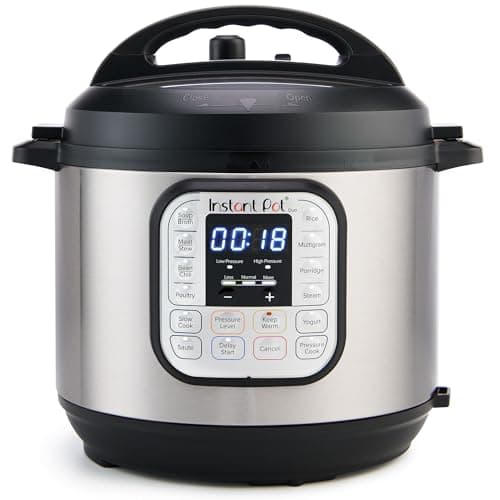
Cheap does not have to mean compromised
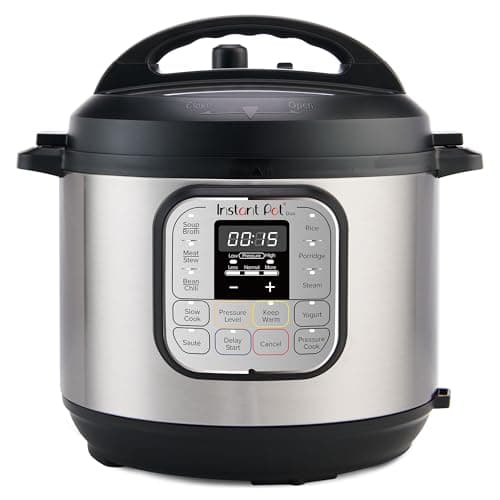
The multicooker is the rare kitchen category where the entry-level product is genuinely one of the best. The plain Instant Pot Duo is the cheapest well-documented multicooker on this whole site, and it is also our overall category winner — the same pot, the same heating element and the same published working pressure as models costing far more, without the interface polish you are unlikely to miss. Spending up in this category buys you a quieter steam release, a nicer screen or an extra function or two; it does not buy you better-cooked food.
So the budget question is not “what is the cheapest multicooker” — it is “which cheap multicooker did not cut the part that matters.” That is a real distinction, and it comes down to two specs.
The two specs that separate a good bargain from a false one
A stainless inner pot, not nonstick. A tri-ply 18/8 stainless pot has no coating to scratch off, chip into your food or wear out in two years, which is exactly where cheap multicookers usually save money. Every Instant Pot on this list keeps the stainless pot; that is the single biggest reason the budget Instant Pots outlast budget rivals that swap in a nonstick liner to hit a price.
A published wattage and working-pressure figure.Instant Brands prints the rated wattage and the 10.2–11.6 psi working-pressure range for the Duo and Duo Plus in its own manuals. A brand that will tell you what its pot draws and the pressure it holds is a brand you can check — and on a budget cooker, checkable documentation is a better signal of build than any marketing adjective. Everything here draws between 240 and 1,200 W; the running-cost arithmetic for each is on its card, computed at the US average residential rate so you can redo it with your own bill.
Where to spend, where to save
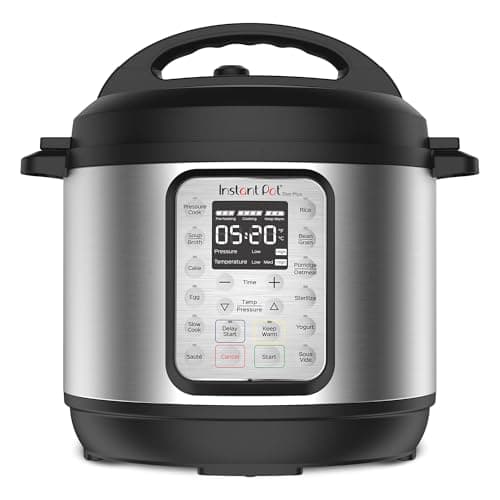
Spend the small premium for the Duo over the very cheapest no-name pressure cooker — the stainless pot and the documented pressure are worth it. Save by skipping sous vide and air-fry lids you will not use; the plain Duo does pressure, slow-cook, sauté, steam, rice and yogurt, which is every function most households actually touch. If you specifically want sous vide without stepping up to the Pro, the Duo Plus adds it and a quieter release for a little more.
Capacity is the other budget lever
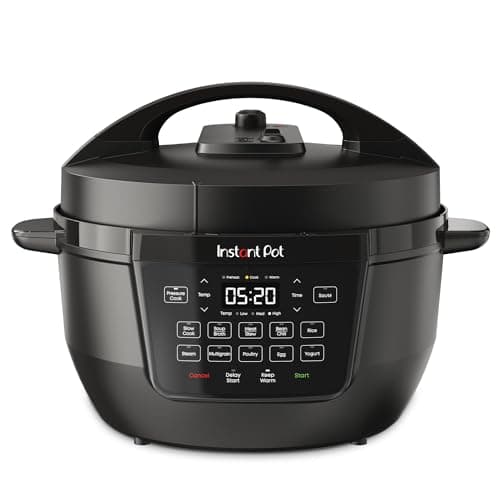
The RIO Wideat 7.5 quarts gives you the most pot per dollar here and a wider searing base than the tall 6-quart models — the honest pick if you batch-cook or feed more than four. At the other end, the 3-quart Duo Mini is the cheapest way into a real Instant Pot for one or two people, and it draws the least of any Instant Pot on the site. If you are unsure which size fits, we walk through 3 vs 6 vs 8 quart here.
The honest floor: a plain slow cooker
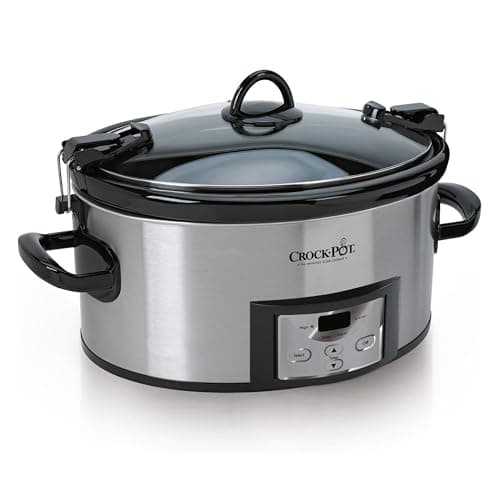
The Crock-Pot Cook & Carryis on this list as the counterweight, not as a multicooker. If the only function you would ever use is Slow Cook, a 240 W programmable slow cooker does that one job for less and with almost nothing to break. But it does not pressure-cook, and the entire time advantage of a multicooker — a pot roast in 40 minutes rather than eight hours — is the pressure function. We settle multicooker vs slow cooker in full here.
How we drew the budget line
“Budget” here means roughly $150 or less at typical selling prices — the band a first multicooker actually sells in. We did not include a pot on this list to pad it: every model is one we would recommend at its price, ranked on the same five documented metrics as the rest of the site (capability, capacity, documentation, build and value), with the value score weighted for what you give up to hit the price. The full rubric is published here, including what disqualifies a pick.
Prices move, and a “budget” ranking is only honest if the numbers are live. Each card pulls its price from Amazon and stamps the date; if a price is more than 48 hours old it disappears and the button falls back to “check price” rather than showing you a stale figure. Read the ranking for the reasoning, and the button for the number.
How we picked
Machines we claim to have tested: 0
Everyone in this category tells you they tested twenty cookers. We have tested none, and we say so. Here is what we do instead: read the manufacturer's manual and spec page, record the published wattage, capacity, pressure or temperature figure and warranty term, work out what the machine costs to run per hour, show the arithmetic so you can redo it with your own electricity rate, and cite all of it. Where a brand publishes no wattage, we print no running cost rather than borrowing a number from a similar model. Prices come live from Amazon's API and disappear rather than go stale.
The scores above are judgments from that documented research — not test results. One of the five metrics is Documentation: whether the manufacturer will tell you what its cooker draws at all. The full rubric, including what disqualifies a pick, is published in full.