HUB 03 · Sous Vide
How to Sous Vide Shrimp
Shrimp go from perfect to rubbery in seconds on a hot pan, which is exactly the problem sous vide solves: a gentle, exact bath cooks them tender and snappy with no window to overshoot. It is one of the fastest sous vide cooks there is. Here is the short method and the food-safety note.
We earn a commission if you buy through our links. It does not change the price you pay, and it does not decide our picks — the scoring rubric is published in full, including what disqualifies a pick. How this works.
Why shrimp are a sous vide natural
The classic shrimp problem is timing: the difference between plump and tender and tough and rubbery is a matter of seconds on a hot pan. Sous vide removes that knife-edge entirely by holding them at a gentle, exact temperaturewhere they cannot overcook — the same forgiving control that makes it the easy way to cook salmon and other delicate proteins in what you can cook sous vide. It is also one of the fastest cooks in the whole technique, which makes it a great low-commitment place to start.
The short, gentle cook
Season peeled shrimp lightly (salt, a little garlic or a knob of butter in the bag), seal them in a single layer so they cook evenly, and drop them in a gently warm bath— sous vide shrimp are cooked well below a boil, typically in the low-to-mid 130s°F for a snappy-tender result, adjusting toward firmer or softer to taste. They need only about 15 to 30 minutes, not hours; because the temperature is low and gentle, leaving them a little longer is far less punishing than a hot pan, but this is not a cut you hold all day. The precise number sets the texture, so lean on the temperature guide.
Serve straight, or sear for color
Sous vide shrimp come out pale, so you have a choice. For shrimp cocktail, a cold pasta or a salad, serve them straight from the bag (an ice bath stops the cooking and firms them if you want them chilled). For a hot dish, give them a fast, hard searin a screaming pan for well under a minute a side, purely for color and a little browning — any longer and you undo the gentle cook you just did. A slim, quick circulator like the Joule is handy for a short cook like this, and the Anova holds the low set point precisely.
The food-safety note
Use fresh or properly thawed shrimp, keep them cold until they go in the bag, and cook them at a proper temperature rather than a lukewarm one — sous vide is safe because it pasteurizes by time and temperature together, so follow a trusted chart and the USDA guidance linked below. Serve promptly or chill in an ice bath and refrigerate. Delicate seafood does not belong held for hours at a very low temperature, so this is a cook to time rather than forget about.
The hardware
The cookers this page is about
The cookers referred to above, with prices pulled live from Amazon and dated on every card. Full rankings live in the roundups linked from this page.
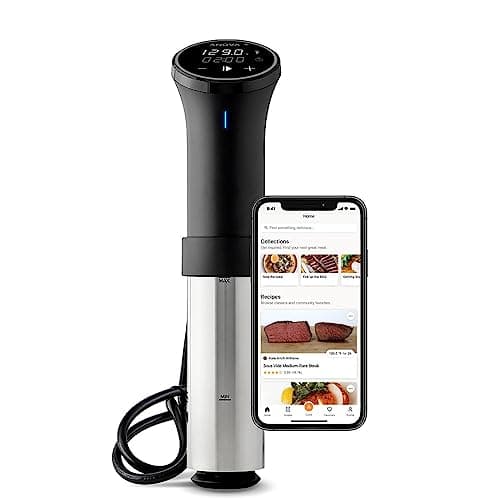
1,100 W
Anova Precision Cooker 3.0 (WiFi), 1100 W
The sous vide circulator most people should buy. Anova publishes the full specification — 1,100 W, a 0–92°C range, ±0.1°C accuracy, an 8 L/min pump — and backs it with a two-year warranty, the longest here. It has an on-device screen so it works without the app, which the Joule does not.
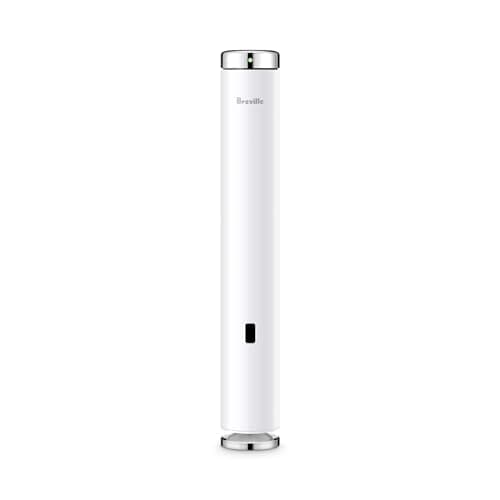
1,100 W
Breville Joule Turbo Sous Vide (BSV600), 1100 W
The smallest, cleverest and most divisive circulator here. It is app-only — there are no buttons and no screen, so your phone is the interface, full stop. In return you get the most compact body, a magnetic foot, IPX7 waterproofing, and a Turbo mode Breville claims can halve the time. 1,100 W.
#ad · As an Amazon Associate we earn from qualifying purchases.
Questions
Frequently asked
How long do you sous vide shrimp?
What temperature do you sous vide shrimp?
Do you sear shrimp after sous vide?
Keep reading
Related
Receipts
Sources
- USDA FSIS — cooking safely with time and temperature (pasteurization basics)
- USDA Food Safety and Inspection Service — safe minimum internal cooking temperatures
We have not tested these machines in a lab and we do not pretend to have. Specifications come from the manufacturer's own published documents; electricity rates come from the US Energy Information Administration; prices come from the live Amazon API. Where a figure is not published, the page says “not published” rather than guessing. Read the full method.