HUB 03 · Sous Vide
How to Sous Vide Brisket
Brisket is a tough, collagen-heavy cut that sous vide can turn tender over a very long, hands-off cook, without the all-day fire-tending of a smoker. There are two schools depending on the texture you want. Here are both, the times they need, and the food-safety rules a multi-day cook makes non-negotiable.
We earn a commission if you buy through our links. It does not change the price you pay, and it does not decide our picks — the scoring rubric is published in full, including what disqualifies a pick. How this works.
Why sous vide a brisket at all
Brisket is one of the toughest cuts there is — dense with collagen that only breaks down over many hours of low heat. A smoker does that beautifully but demands all day of fire management; sous vide does the tenderizing part hands-off and to an exact temperature, so the result is far more repeatable. It is the same edge-to-edge control that makes sous vide the reliable way to cook a steak, applied to a cut that needs days rather than hours. You still add smoke or bark at the end; the bath just guarantees the inside.
Two approaches, two textures
There are two honest camps, and the water temperature is the whole choice. A lower temperature held for longer(very roughly the mid-130s°F over 36–48 hours) keeps the brisket sliceable and steak-like, pink and moist. A higher temperature for a shorter but still long time(up into the 150s–160s°F over about 24–36 hours) gives the traditional pull-apart, fall-apart texture most people picture. Both work; they are just different briskets. Because the exact numbers and holding times deserve a proper reference, we keep them in the sous vide temperature guide rather than guessing here.
Bag it, and mind the long cook
Season the brisket (salt, pepper, a little smoke if you like), seal it well — a vacuum sealer is worth it for a multi-day cook, though the water-displacement bag methodcan work if the seal is solid — and drop it in the bath. A cook this long is exactly where a circulator that holds temperature reliably for days earns its place: the Greater Goods is rated for 99 hours of continuous running and is quiet enough to live with overnight, and the Anova holds a tight set point. Cover the water bath (a lid or foil, even ping-pong balls) so it does not evaporate over two days, and check the level occasionally.
The finish, and the bark
Sous vide gets you a perfectly tender interior but no crust, so the finish is where the barbecue flavor comes from. Dry the brisket well, then develop barkon a smoker, a hot grill, or under a broiler — long enough for color and a crust, not so long that you overcook the inside you just perfected. Whether to sear before or after follows the same logic as any sous vide cut, covered in sear before or after sous vide.
The food-safety line on a multi-day cook
A cook this long makes food safety non-negotiable. Sous vide is safe because it pasteurizes by time and temperature together, not by a quick blast of heat — but that only holds if you follow a trusted time-and-temperature chart and keep the bath at a proper temperature the whole way. Do not hold meat for many hours in the danger zone below about 130°F, chill leftovers promptly, and follow the USDA guidance on safe combinations, which we link below. When a cook runs 24–48 hours, there is no room to improvise the numbers — use the temperature guide and a reliable circulator, and read is sous vide safe first.
The hardware
The cookers this page is about
The cookers referred to above, with prices pulled live from Amazon and dated on every card. Full rankings live in the roundups linked from this page.
1,100 W
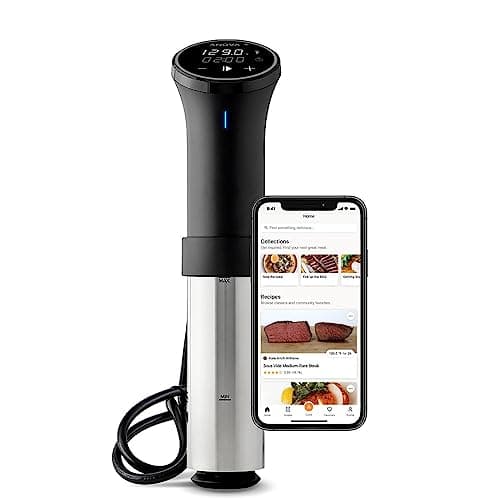
Anova Precision Cooker 3.0 (WiFi), 1100 W
The sous vide circulator most people should buy. Anova publishes the full specification — 1,100 W, a 0–92°C range, ±0.1°C accuracy, an 8 L/min pump — and backs it with a two-year warranty, the longest here. It has an on-device screen so it works without the app, which the Joule does not.
1,100 W
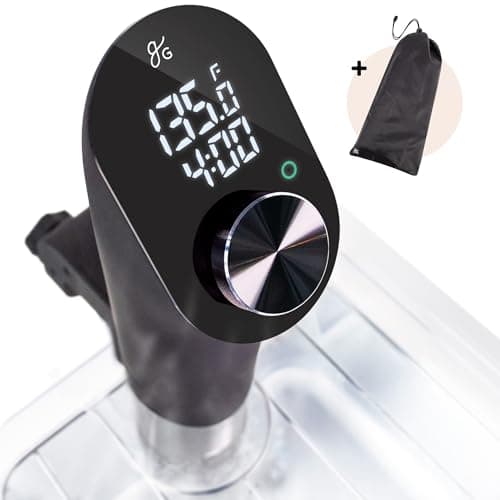
Greater Goods Sous Vide Precision Cooker, 1100 W
The circulator for people who want none of the connectivity. No WiFi, no app, no phone — a dial, a screen and a silent brushless motor rated to run 99 hours straight. 1,100 W, a 20–95°C range, and a build that is quieter than anything else here.
#ad · As an Amazon Associate we earn from qualifying purchases.
Questions
Frequently asked
How long does it take to sous vide a brisket?
What temperature do you sous vide brisket?
Do you smoke brisket before or after sous vide?
Keep reading
Related
Receipts
Sources
- USDA FSIS — cooking safely with time and temperature (pasteurization basics)
- USDA Food Safety and Inspection Service — safe minimum internal cooking temperatures
We have not tested these machines in a lab and we do not pretend to have. Specifications come from the manufacturer's own published documents; electricity rates come from the US Energy Information Administration; prices come from the live Amazon API. Where a figure is not published, the page says “not published” rather than guessing. Read the full method.