HUB 03 · Sous Vide
Sous Vide Without a Vacuum Sealer
The most common thing that stops people trying sous vide is thinking they need a vacuum sealer. You don't. A sturdy zip-top bag and the water-displacement method get the air out reliably and for free — here is exactly how, and the few times a sealer is genuinely worth owning.
We earn a commission if you buy through our links. It does not change the price you pay, and it does not decide our picks — the scoring rubric is published in full, including what disqualifies a pick. How this works.
Why you do not need a sealer
The only reason to remove air from a sous vide bag is so the water can contact the food evenly and the bag sinks instead of floating. A vacuum sealer does that; so does water pressure, for free. The water-displacement method uses the weight of the bath itself to push the air out of a zip-top bag, and for the vast majority of home cooks it works so well that a sealer is a convenience, not a requirement. Not owning one is no reason to put off trying sous vide.
The water-displacement method, step by step
Put the seasoned food in a sturdy zip-top bag and seal it almost all the way, leaving a small gap at one corner. Lower the bag slowly into the water bath, food-end first, keeping the opening above the surface. As it sinks, the water pressure squeezes the air up and out through the gap. When the bag is submerged to just below the seal and the air is gone, close the last corner. That is it — the bag now hugs the food and sinks, exactly like a vacuum-sealed one.
Which bags to use
Use sturdy zip-top freezer bags — they are thicker than sandwich bags and handle the warm, long soak better. For most cooks at typical sous vide temperatures, quality freezer-grade polyethylene bags are fine; if you are cooking hot or long and want extra assurance, food-grade reusable silicone bags are a durable, reusable alternative that clip or seal shut. Clip the top of the bag to the side of the pot to keep the opening above the water for the whole cook.
Keeping the bag down and the water clean
Occasionally a bag traps a pocket of air (from bones, or steam off a warm food) and tries to float, which leaves part of the food out of the water. If that happens, clip it down or weigh it with a spoon or a sous vide weight so it stays fully submerged — even, complete contact is the whole point. Keep the opening above the waterline so nothing gets in, and you will get the same even result a sealer gives.
When a vacuum sealer is actually worth it
A sealer earns its place in three cases: very long cooks where you want the most secure, air-free seal for many hours; freezing portions to cook later, where a vacuum seal prevents freezer burn and lets you go bag-to-bath; and batch prep, where sealing a dozen portions by hand is tedious. For the occasional steak, chicken breast or vegetables, the water-displacement method is genuinely all you need — put the money toward a better circulator like the Inkbird instead. Now cook that steak.
The hardware
The cookers this page is about
The cookers referred to above, with prices pulled live from Amazon and dated on every card. Full rankings live in the roundups linked from this page.
1,000 W
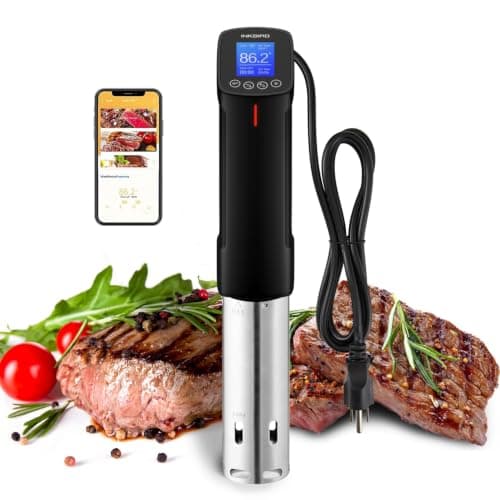
Inkbird ISV-100W WiFi Sous Vide, 1000 W
The value pick that does not feel like one. Under $100, and Inkbird still publishes the full specification: 1,000 W, a 25–99°C range, ±0.1°C accuracy, 15 L capacity, WiFi and an on-device dot-matrix screen. It undercuts the Anova by more than half and gives up remarkably little on paper.
1,100 W
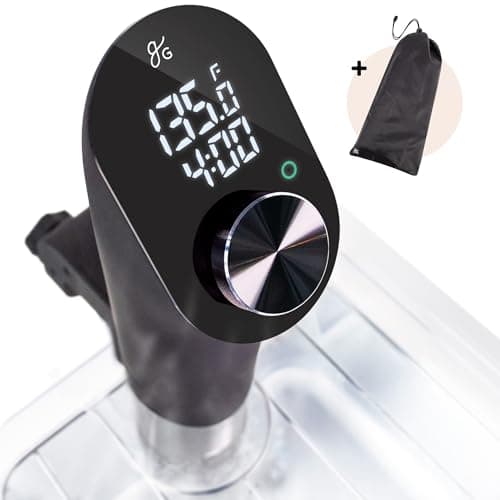
Greater Goods Sous Vide Precision Cooker, 1100 W
The circulator for people who want none of the connectivity. No WiFi, no app, no phone — a dial, a screen and a silent brushless motor rated to run 99 hours straight. 1,100 W, a 20–95°C range, and a build that is quieter than anything else here.
#ad · As an Amazon Associate we earn from qualifying purchases.
Questions
Frequently asked
Can you sous vide without a vacuum sealer?
What bags can you use for sous vide?
Do you need a vacuum sealer for sous vide?
Keep reading
Related
Receipts
Sources
- Inkbird — ISV-100W WiFi Sous Vide product page
- USDA FSIS — cooking safely with time and temperature (pasteurization basics)
We have not tested these machines in a lab and we do not pretend to have. Specifications come from the manufacturer's own published documents; electricity rates come from the US Energy Information Administration; prices come from the live Amazon API. Where a figure is not published, the page says “not published” rather than guessing. Read the full method.