HUB 01 · Multicookers
How to Cook Chicken in an Instant Pot
Chicken is one of the things an Instant Pot does best — fast, forgiving and hands-off — but it is also where the most guesswork and the most food-safety questions come up. Here is how to do breasts and thighs, fresh or frozen, and the single number to trust instead of the timer: 165 F in the thickest part.
We earn a commission if you buy through our links. It does not change the price you pay, and it does not decide our picks — the scoring rubric is published in full, including what disqualifies a pick. How this works.
Why the Instant Pot is good at chicken
Chicken is one of the most forgiving things you can pressure-cook, which is why it is one of the first things most new owners try. A pressure cooker holds a sealed, moist, high-heat environment, so a chicken breast that would dry out on a grill stays juicy, and a batch of thighs turns tender and shreddable in minutes rather than the better part of an hour. It is fast, it is hands-off, and it does not need babysitting. The catch is that you cook chicken more or less blind — the lid is on and locked, so you cannot see or poke it while it cooks — which makes two things matter more than usual: getting the liquid and rough timing right, and checking the one number that actually tells you it is done. If this is your first time using the machine at all, read how to use a pressure cooker first; this guide assumes you know how to bring it to pressure and release it.
You need liquid — at least a cup
A pressure cooker cooks with steam, so it needs thin liquid to make that steam. Always add at least a cup of water, broth or a thin sauce before you seal the lid — chicken on its own, or coated only in a thick sauce, will not produce enough steam to come to pressure, and the machine will warn you rather than cook. Broth is the obvious choice because it also seasons the meat and leaves you a base for a sauce or soup. If you want a thick, glossy sauce at the end, add it aftercooking, on the sauté setting, rather than before — thick sauces on the bottom scorch and are the most common cause of the burn warning, which we cover in the Instant Pot burn message. Set the chicken on a trivet above the liquid if you want it steamed and firm, or sit it in the liquid if you want it to poach and shred.
Rough timing by cut — a starting point, not a rule
Pressure-cook times for chicken are short, and they depend on the cut, the size of the pieces and whether they are fresh or frozen. As a rough starting point: boneless breasts and boneless thighs take only a handful of minutes at high pressure when fresh; bone-in pieces and a whole chicken take longer; and everything takes several minutes more from frozen. These are typical ranges, not guarantees — the real cook time also includes the time the pot takes to come up to pressure and the release time, so a “few-minute” cook is really fifteen or twenty minutes end to end (the same phased timing we explain in Instant Pot cooking times). Rather than chase an exact number here, follow a trusted recipe for the specific cut and quantity, and then do the one thing that removes all the guesswork: check the temperature. A natural release of five to ten minutes before you vent the rest keeps the meat juicier than a hard quick release, which is worth knowing (see natural vs quick release).
The only number that matters: 165°F
Here is the part to take seriously. Doneness in chicken is not decided by the timer — it is decided by the internal temperature. The USDA's safe minimum internal temperature for all poultry is 165°F (74°C), measured in the thickest part of the meat with an instant-read thermometer. Cook time is only ever an estimate that gets you close; the thermometer is what confirms it. If a piece comes up short, it is no drama — lock the lid and cook it a couple more minutes, or finish it on the sauté setting. Do not judge chicken by color or by cutting into it and guessing, and do not assume “the recipe said 8 minutes” means it is safe, because your pieces may be bigger or colder than the recipe's. A cheap instant-read thermometer is the single best five dollars you can spend on cooking chicken in any appliance, and it turns pressure-cooked chicken from a guess into a certainty.
Cooking chicken from frozen
One of the Instant Pot's genuine party tricks is cooking chicken straight from frozen, and it is safe to do — a pressure cooker brings the meat through the temperature danger zone quickly enough that it does not raise the food-safety concerns of slow-cooking from frozen. Add several minutes to the cook time, separate the pieces if you can so they cook evenly (a frozen block cooks unevenly, leaving the middle underdone), and, again, verify 165°F at the center before serving. It will not brown or crisp — pressure cooking never does — so if you want color, sear the cooked chicken in a hot pan or under the broiler afterward, or reach for a model with a crisping lid like the Duo Crisp. The general rules for cooking from frozen safely are in how to cook frozen meat in an Instant Pot.
The rule: at least a cup of thin liquid, thick sauces added after not before, a trusted recipe for rough timing, a short natural release for juicier meat — and then verify 165°F in the thickest part with a thermometer every time. The timer gets you close; the thermometer makes it safe. If it is under, just cook it a little longer.
The hardware
The cookers this page is about
The cookers referred to above, with prices pulled live from Amazon and dated on every card. Full rankings live in the roundups linked from this page.
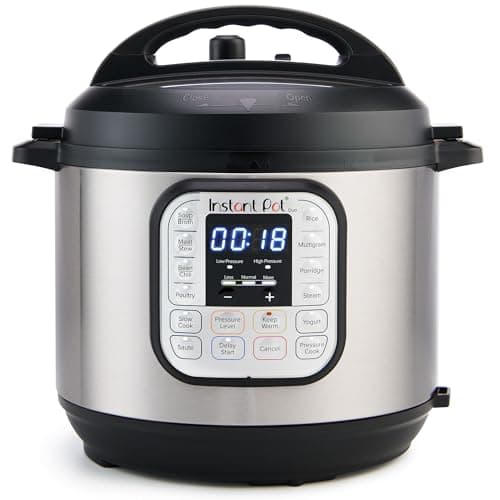
1,000 W
Instant Pot Duo 7-in-1 Electric Pressure Cooker, 6 Quart
The multicooker that made the category, and still the right default. Instant Brands publishes the wattage, the working pressure range and a stainless (not nonstick) inner pot, which is more than most of the field manages — and it costs less than almost all of them.
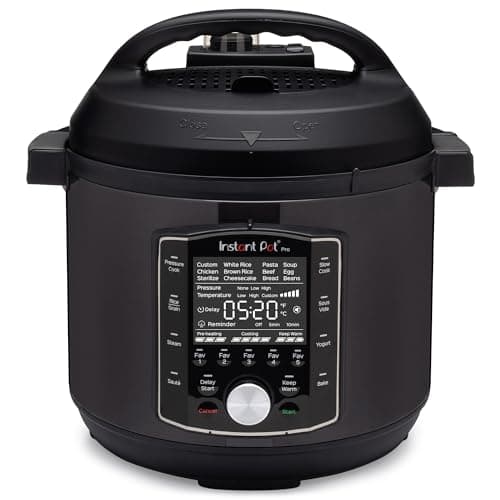
1,200 W
Instant Pot Pro 10-in-1 Pressure Cooker, 6 Quart
The Duo's mechanicals with the interface fixed: a genuine sous vide program, an auto-sealing lid, grab-and-go pot handles and five programmable buttons. It draws 1,200 W rather than the Duo's 1,000, and Instant Brands does not publish a working-pressure figure for it — the one gap in an otherwise well-documented cooker.
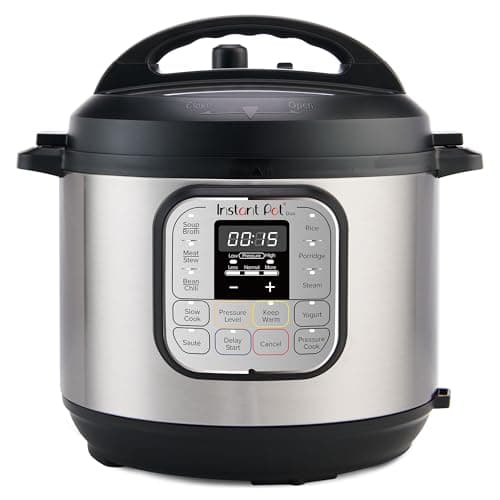
700 W
Instant Pot Duo Mini 7-in-1, 3 Quart Electric Pressure Cooker
The Duo shrunk to 3 quarts. It is the right size for one or two people, for a dorm or an RV, or as a second pot for a side dish while the big one does the main. The same 7-in-1 function set, the same stainless pot, in a footprint that actually fits a small kitchen.
#ad · As an Amazon Associate we earn from qualifying purchases.
Questions
Frequently asked
How long does chicken take in an Instant Pot?
What temperature should chicken be cooked to?
Can you cook frozen chicken in an Instant Pot?
Keep reading
Related
Receipts
Sources
- USDA Food Safety and Inspection Service — safe minimum internal cooking temperatures
- Instant Brands — Instant Pot Duo 6qt product page
We have not tested these machines in a lab and we do not pretend to have. Specifications come from the manufacturer's own published documents; electricity rates come from the US Energy Information Administration; prices come from the live Amazon API. Where a figure is not published, the page says “not published” rather than guessing. Read the full method.