HUB 03 · Sous Vide
How Long to Sous Vide Chicken
Sous vide is the method that finally makes chicken breast reliably juicy instead of dry — but only if you get both the temperature and the time right, because with poultry the two together are also what makes it safe. Here is how long and how hot for breast and thighs, and the safety logic behind cooking chicken below 165 degrees.
We earn a commission if you buy through our links. It does not change the price you pay, and it does not decide our picks — the scoring rubric is published in full, including what disqualifies a pick. How this works.
Why chicken is the dish sous vide fixes
Chicken breast is the food sous vide was made for. On a pan or in an oven you are chasing a moving target — pull it too early and it is unsafe, too late and it is dry and stringy — because the safe endpoint (165°F, instant) is also the point where the meat has squeezed out its moisture. Sous vide changes the game by holding a lower, exact temperature long enough to be just as safe, so the breast stays juicy. The whole trick is understanding that with poultry, time and temperature together — not a single high number — are what make it safe. That is the same USDA pasteurization logic that underpins the method.
Chicken breast: temperature sets the texture
For breast, the temperature you choose sets the texture, and the range most cooks settle on is roughly 145–150°F (63–66°C). Toward 145°F the meat is very tender, juicy and faintly silky; toward 150°Fit is a touch firmer and more like “traditional” chicken but still far moister than pan-cooked. The important part is that at these temperatures the chicken is pasteurized because it is held there— the USDA's guidance is that a lower temperature held for a validated time is equivalent to the instant 165°F everyone grew up with. Follow a time-and-temperature table for the exact hold time at your chosen temperature; do not shortcut it.
How long: it is about thickness
Time in sous vide is mostly about how long heat takes to reach the center, which depends on thickness, plus enough extra to pasteurize. For a typical breast, plan on roughly 1 to 2 hours; a thick breast wants closer to 2, a thin cutlet less. You have a generous window — sous vide is forgiving, and an extra 30 minutes will not ruin it the way an extra 10 minutes in a pan would — but there is an upper bound: hold breast much beyond 3–4 hours and the texture starts to turn mealy as the muscle fibers over-relax. The sweet spot for breast is “long enough to be safe and hot through, not so long it goes soft.”
Thighs and dark meat: go higher or hold longer
Thighs and dark meat are the opposite of breast — they have connective tissue that wants time and heat to break down. Cook them hotter, longer, or both: around 165–175°F for a couple of hours gives a classic tender-but-sliceable thigh, while lower temperatures held for many hours turn them silky and almost confit-like. Because dark meat is so forgiving, thighs are the easiest chicken to sous vide and a good first cook — it is genuinely hard to overdo them within reason. Bone-in thighs take a little longer to come to temperature than boneless.
You still have to sear
Sous vide does not brown, so chicken out of the bag is pale and, in the case of skin-on pieces, flabby. Finish with a hard, fast sear — a screaming-hot skillet, a torch, or a few minutes under the broiler — to crisp the skin and build color and flavor. Dry the surface well first; a wet surface steams instead of browning. The sear takes a minute or two and is what turns a perfectly cooked but plain piece of chicken into something that looks and tastes finished. It is the same finish covered in how to sous vide steak.
The short version
Breast:145–150°F for about 1–2 hours by thickness, tender toward the lower end. Thighs:165–175°F for a couple of hours for classic texture, or lower and much longer for silky. Safety: at any of these temperatures the chicken is safe because it is held there long enough — follow a time-and-temperature table and do not cut the hold short. Always sear at the end. For the full pasteurization logic, see is sous vide safe?, and for exact numbers the temperature guide.
The hardware
The cookers this page is about
The cookers referred to above, with prices pulled live from Amazon and dated on every card. Full rankings live in the roundups linked from this page.
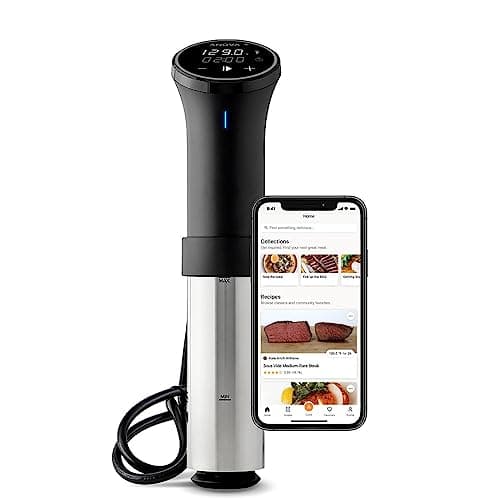
1,100 W
Anova Precision Cooker 3.0 (WiFi), 1100 W
The sous vide circulator most people should buy. Anova publishes the full specification — 1,100 W, a 0–92°C range, ±0.1°C accuracy, an 8 L/min pump — and backs it with a two-year warranty, the longest here. It has an on-device screen so it works without the app, which the Joule does not.
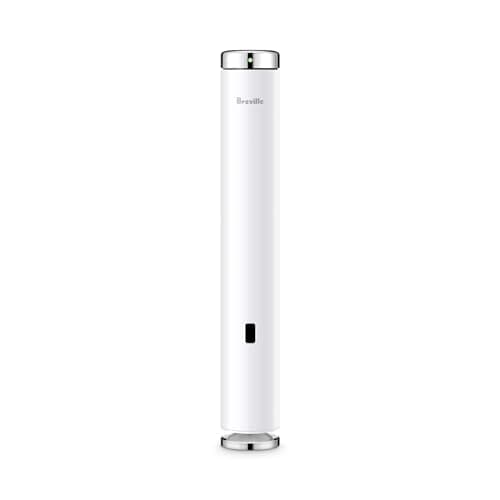
1,100 W
Breville Joule Turbo Sous Vide (BSV600), 1100 W
The smallest, cleverest and most divisive circulator here. It is app-only — there are no buttons and no screen, so your phone is the interface, full stop. In return you get the most compact body, a magnetic foot, IPX7 waterproofing, and a Turbo mode Breville claims can halve the time. 1,100 W.
#ad · As an Amazon Associate we earn from qualifying purchases.
Questions
Frequently asked
How long does it take to sous vide chicken breast?
Can you sous vide chicken below 165°F safely?
What temperature should I sous vide chicken thighs?
Keep reading
Related
- How to sous vide turkey breastJuicy lean poultry, then crisp the skin.
- How to sous vide pork chopsTemperature, safety and a hard sear to finish.
- Sous vide temperature guideExact times and temperatures by food.
- How to sous vide steakThe same method, and the finishing sear.
- Is sous vide safe?Why time and temperature together keep it safe.
Receipts
Sources
- USDA Food Safety and Inspection Service — safe minimum internal cooking temperatures
- USDA FSIS — cooking safely with time and temperature (pasteurization basics)
We have not tested these machines in a lab and we do not pretend to have. Specifications come from the manufacturer's own published documents; electricity rates come from the US Energy Information Administration; prices come from the live Amazon API. Where a figure is not published, the page says “not published” rather than guessing. Read the full method.