HUB 01 · Multicookers
Stovetop vs Electric Pressure Cooker
Two ways to cook under pressure, with a real trade-off between them. A stovetop model reaches higher pressure and hotter searing with no electronics to fail, but you have to babysit it on a burner. An electric Instant Pot runs a little cooler and slower but is set-and-forget, safer for beginners, and does far more than pressure. Here is which suits you.
We earn a commission if you buy through our links. It does not change the price you pay, and it does not decide our picks — the scoring rubric is published in full, including what disqualifies a pick. How this works.
Same principle, two very different machines
Both a stovetop pressure cooker and an electric one — an Instant Pot — do the same fundamental thing: they seal food in with liquid, trap the steam, and raise the boiling point so food cooks faster than it ever could in an open pot. But they are very different appliances to live with. A stovetop model is a sealed pot you put on a burner and control by adjusting the flame; an electric model is a self-contained countertop appliance with its own heating element, sensors and a microprocessor that manages the whole cycle for you. The difference between them comes down to a few real trade-offs — pressure, searing heat, attention, safety and versatility — and there is no single winner, only the right one for how you cook.
Pressure and speed
The clearest technical difference is how much pressure each reaches. A traditional stovetop pressure cooker typically runs at a higher pressure — the long-standing standard is around 15 psi. An electric cooker runs lower: Instant Brands publishes a working range of 10.2 to 11.6 psi for the Duo on its IP-DUO60 manual. Higher pressure means a higher internal temperature, so a stovetop model cooks a bit faster than an electric one for the same dish, and it can reach that pressure more quickly on a powerful burner. For most home cooking the difference is modest — a few minutes here and there — but if outright speed is the whole reason you want a pressure cooker, the stovetop has a genuine edge, and the gap grows on long cooks like beans or tough cuts.
Searing heat
Searing is the stovetop's other real advantage. On a stovetop cooker you brown meat directly over a burner, so you can crank the heat as high as your stove goes and get an aggressive, restaurant sear before you seal the lid. An electric cooker browns on its built-in Sauté element, which has a fixed heat ceiling you cannot exceed — it is a controlled temperature, not an open flame, so the sear is gentler and slower. This is exactly why the wider searing base of the RIO Wide matters on electric models: since you cannot make the element hotter, spreading the food over more of it is the only way to brown more at once. If a deep, hard sear is central to how you cook, the stovetop wins here too.
Attention: babysitting vs set-and-forget
This is where the electric cooker earns its popularity. A stovetop model has to be monitored: you bring it up to pressure over a burner, then adjust the flame constantly to hold it steady, and you cannot walk away or leave the house while it runs. An electric cooker is set-and-forget — you add ingredients, choose a program, press start, and it manages coming to pressure, holding it for the set time, and switching to keep-warm entirely on its own. You can leave the kitchen, leave the house, or set it before work. For most people this single difference outweighs everything else: the electric cooker fits a busy life in a way a pot that needs tending on the stove does not.
Safety and durability
Both are safe when used correctly, but they get there differently. An electric Instant Pot has layered safety systems built in — a lid that locks and will not open while pressure remains, a float valve, and over-pressure protection — plus the fact that a microprocessor, not a human watching a gauge, manages the pressure. That makes it forgiving and genuinely easier and safer for a beginner; the details are in are Instant Pots safe. A stovetop model relies more on the cook paying attention, though modern ones have their own pressure-limiting valves. Where the stovetop pulls ahead is durability: it has no electronics, no circuit board and no sensors to fail, so a good one can last for decades, while an electric cooker's control board is the part most likely to eventually die.
Versatility
Finally, remember what an electric cooker is: a multicooker. A stovetop pressure cooker does exactly one thing — cook under pressure. An electric Instant Pot pressure-cooks andslow-cooks, sautés, steams, cooks rice, makes yogurt and keeps warm, all in one appliance. So the comparison is not quite apples to apples: you are weighing a specialist that does one job with maximum speed and heat against a generalist that does that job a little more slowly but also replaces several other machines. If counter space and doing more with one device matter, that tips heavily toward electric — which is a large part of why the category took over.
Which one to buy
Buy an electric pressure cooker— an Instant Pot — if you want hands-off, set-and-forget cooking, built-in safety systems that make it forgiving for a beginner, and one appliance that also slow-cooks, sautés and steams. That is most people, and it is why we treat the electric models as the default across this site. Choose a stovetop pressure cooker if your priorities are maximum speed and searing heat, and long-term durability with no electronics to fail — you are comfortable watching a pot on the burner and you want the purest, fastest form of pressure cooking and nothing else. The rule: electric for hands-off everyday versatility; stovetop for raw speed, hard searing and no-electronics longevity. If versatility is what draws you to electric, the best pressure cooker picks are all electric multicookers, and the broader category question is settled in pressure cooker vs multicooker.
The hardware
The cookers this page is about
The cookers referred to above, with prices pulled live from Amazon and dated on every card. Full rankings live in the roundups linked from this page.
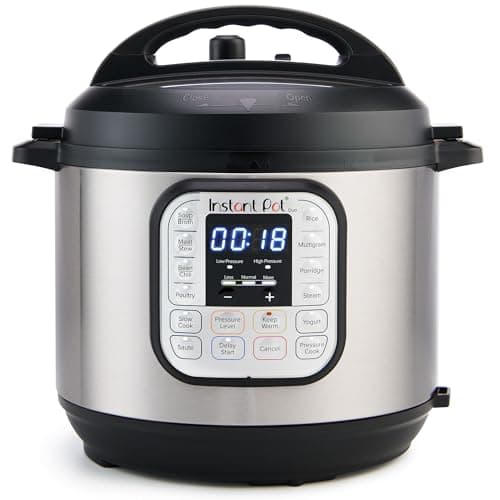
1,000 W
Instant Pot Duo 7-in-1 Electric Pressure Cooker, 6 Quart
The multicooker that made the category, and still the right default. Instant Brands publishes the wattage, the working pressure range and a stainless (not nonstick) inner pot, which is more than most of the field manages — and it costs less than almost all of them.
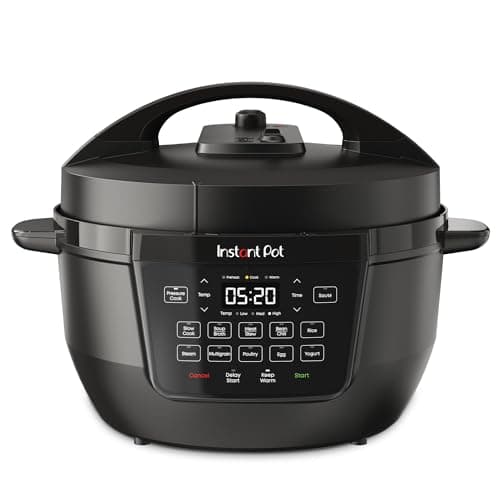
1,200 W
Instant Pot RIO Wide 7-in-1, 7.5 Quart Multi-Cooker
The Duo, rebranded RIO and widened. The 7.5-quart Wide has a larger searing base than the tall 6-quart pots, which is the one real ergonomic improvement in the line — more of the pot bottom touches the element, so browning is more even before you pressurize.
#ad · As an Amazon Associate we earn from qualifying purchases.
Questions
Frequently asked
Is a stovetop or electric pressure cooker better?
Does a stovetop pressure cooker cook faster than an electric one?
Why can't an electric pressure cooker sear as hot as a stovetop one?
Keep reading
Related
Receipts
Sources
- Instant Pot IP-DUO60 instruction manual (specification page)
- Instant Brands — Instant Pot Duo 6qt product page
- Instant Brands — Instant Pot RIO Wide 7.5qt product page
We have not tested these machines in a lab and we do not pretend to have. Specifications come from the manufacturer's own published documents; electricity rates come from the US Energy Information Administration; prices come from the live Amazon API. Where a figure is not published, the page says “not published” rather than guessing. Read the full method.