The short answer
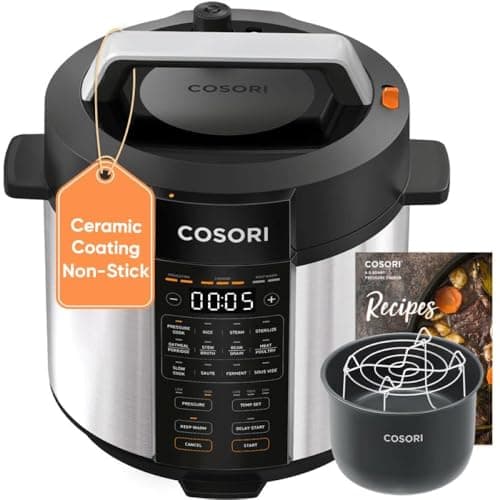
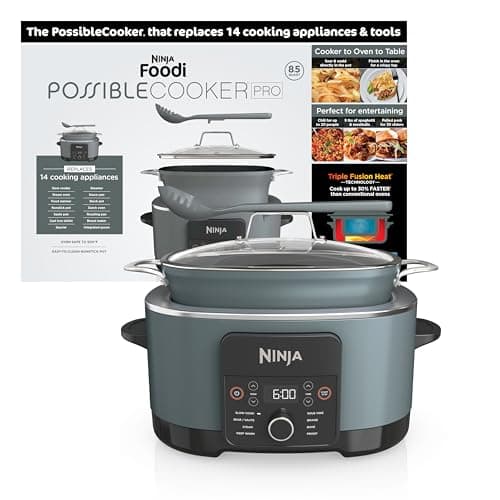
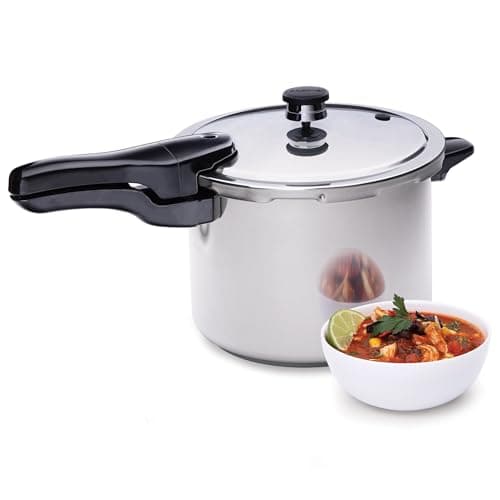
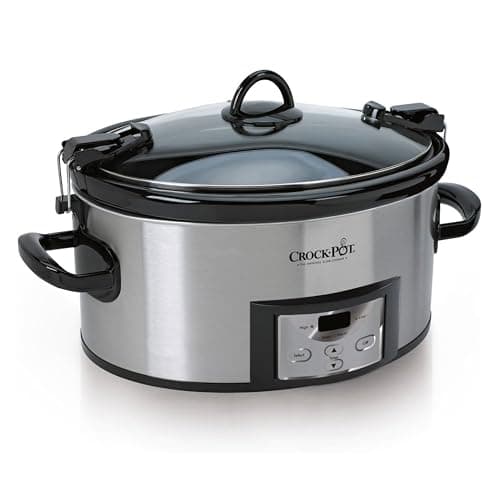
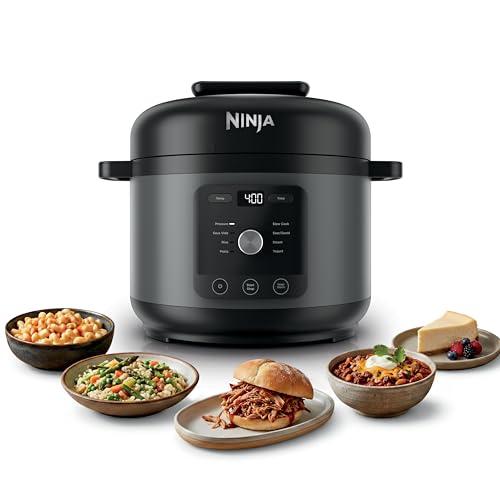
Buy the Ninja HyperHeat PC201 if you want the closest thing to a like-for-like replacement: a 9-in-1 electric pressure cooker with a PFAS-free nonstick ceramic pot, which is the one thing it has that no Instant Pot offers, and the alternative most people searching this phrase are actually after. The budget pick is the Cosori 6-quart— the cheapest cooker here that genuinely pressure cooks, with a published low-pressure band (5.1–8 psi) that no Instant Pot publishes and a 2-year warranty that doubles every Instant Pot's one. If you want more pot without pressure, the Ninja PossibleCooker PRO is 8.5 quarts with a stovetop-safe pan. If you want nothing electronic to fail, the Presto 01362 stainless stovetop holds around 15 psi with a 12-year warranty. And if you only ever slow cook, the Crock-Pot Cook & Carrydoes that one job at 240 W.
What the Instant Pot is actually known for
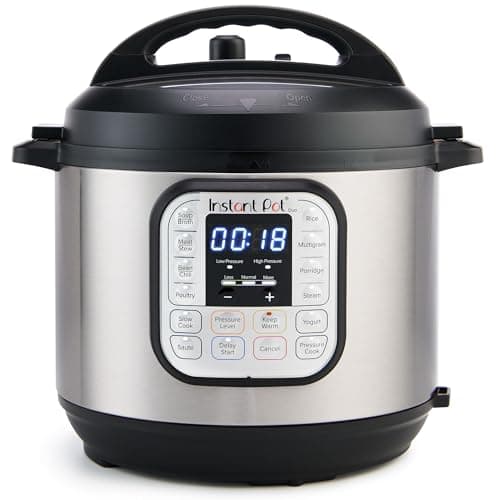
It is worth being precise, because an alternatives page that misrepresents the original is useless. Instant Brands publishes, for the Duo: 1,000 W at 120 V, a working pressure of 10.2–11.6 psi on high, an 18/8 stainless inner pot with a tri-ply base, and seven functions across thirteen programs. That is the complete specification set, and it is more than most of the field manages at any price — it is the only electric cooker in our catalog with a published working-pressure figure at all.
The second thing it is known for is not a specification. It is the ecosystem: the recipe volume, the accessory fit, the troubleshooting answers for every error code, the fact that any cookbook you pick up assumes you own one. None of the cookers below has that, and for a first-time pressure cooker it is a genuine reason to buy the obvious thing. Our is an Instant Pot worth it page makes that argument properly, and this page is not trying to talk anyone out of it.
What it is known for in the other direction is the gaps. Instant Brands publishes no working-pressure figure for the Pro, which is its premium model. Every Instant Pot here carries a one-year warranty. And the Duo's steam release is a manual toggle, which is the source of the most common beginner mistake on the whole platform — the cooker that will not seal because the valve is on Venting.
Reason 1: you do not want a coating, or you do not want stainless
This is the most common reason, and it cuts both ways.
If you want no coating at all, you are already in the right place: the Instant Pot's 18/8 stainless pot is uncoated, and that is a genuine advantage over most of the field. Our non-toxic multicooker ranking works through exactly which makers publish what about their pot surfaces, and it is where to go if coatings are the whole question for you.
If what you want is a coated pot that is documented PFAS-free— because stainless sticks and you would rather have a release surface with a published chemistry — then the Ninja HyperHeat is the answer, and it is the only cooker in this catalog that is. SharkNinja states aluminium with a nonstick ceramic coating, PFAS-free, and names nine functions including sous vide, steam and sear/sauté. The honest trade is that a coating has a finite life where stainless does not, and Ninja offers one year of warranty just as Instant Brands does.
Reason 2: you want a figure the Instant Pot does not publish
The Cosori is the unglamorous answer to a specific complaint. It publishes bothpressure bands — 9.4–12.3 psi high and 5.1–8 psi low — where Instant Brands publishes one band for the Duo and none at all for the Pro. If you cook anything where a gentle pressure setting matters, that is a real capability stated in a document rather than inferred from a button.
It also carries a 2-year warranty, which is twice what any Instant Pot on this site offers, and it costs less than the Duo at the time of writing. The trade is the pot: a removable nonstick interior, so there is a coating here. Our Cosori versus Instant Pot comparison is the head-to-head if you want it at length, and the Cosori review is the single-machine version.
Reason 3: you want the capacity, and you never use pressure
A surprising number of Instant Pot owners never press the pressure button. If that is you, the pressure lid is a sealing ring to clean and a part to maintain in exchange for nothing, and the Ninja PossibleCooker PRO is the better machine: 8.5 quarts against the Duo's six, 14 functions, and a pot that goes on the stovetop and into the oven, which no Instant Pot pot does.
Say the obvious thing out loud, though: it does not pressure cook. Nothing about it is faster than a pan. It is a very good large slow cooker and braiser that happens to sit where a multicooker sits on the counter, and if you buy it expecting beans in twenty minutes you will be disappointed. We argue the whole split in multicooker versus slow cooker.
Reason 4: you do not want electronics in your kitchen
The Presto 01362 is the alternative that is not a multicooker at all, and for some readers it is the right one. There is no board, no sensor, no display and no firmware — a tri-clad stainless pot, a lid, a sealing ring, an over-pressure plug and a regulator weight, every one of which Presto still sells as a spare. That is why it carries a 12-year limited warranty where the Instant Pot carries one, and why it holds around 15 psi where the Instant Pot holds 11.6.
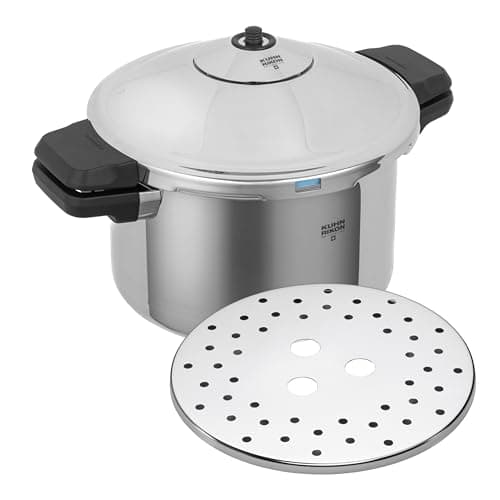
If you want the same idea with a quiet spring valve instead of a rocking weight, the Kuhn Rikon Duromatic is the Swiss version at around three times the price, with a 10-year guarantee and no published pressure figure at all — which on a site that ranks by documentation is a mark against it. The two are compared properly in Kuhn Rikon versus Presto, and Presto versus Instant Pot is the direct head-to-head with the original.
Reason 5: you only ever slow cook
The Crock-Pot Cook & Carry does one job and draws 240 W doing it, which is a quarter of what an Instant Pot pulls on its slow-cook program. Six quarts, a latching lid that is the point of the name, and nothing to learn. If the only reason an Instant Pot is on your list is that it also slow cooks, this is the cheaper and quieter buy, and whether an Instant Pot slow cooks properly is the honest answer to the question underneath that.
When the answer is still an Instant Pot
Three cases, stated plainly, because an alternatives page that cannot say this is selling rather than advising.
You want the best-documented cooker for the money. The Duo publishes more about itself than anything else here, and documentation is how this site ranks.
You want an uncoated pot and automation in one machine.That combination is Instant Pot's, in this catalog. The Ninja has the ceramic coating; the Cosori has a nonstick; the stainless pots with no coating are Instant Brands' and the stovetop Prestos'.
You are new to pressure cooking.The ecosystem is worth real money when something goes wrong at 7 pm, and which Instant Pot to buy will get you to the right model faster than this page will get you away from the brand.
Choosing by reason, in one minute
“I want a documented PFAS-free coated pot.” Ninja HyperHeat PC201. The only one in this catalog.
“I want a published low-pressure setting and a longer warranty.” Cosori 6-quart. Two years, both pressure bands published, and a nonstick pot as the trade.
“I want more capacity and I never use pressure.” Ninja PossibleCooker PRO, 8.5 quarts, stovetop- and oven-safe pot, no pressure at all.
“I do not want a circuit board in my cookware.”Presto 01362 stainless. 15 psi, twelve years, induction-capable, and you stand at the stove.
“I only slow cook.”Crock-Pot Cook & Carry, 240 W.
The two mistakes
Replacing an Instant Pot with a machine that does not pressure cook and then judging it on speed. And switching brands to escape a coating when the Instant Pot's pot is the uncoated one — if coatings are your concern, read the pot materials before the badge.