HUB 03 · Sous Vide
How to Sous Vide Tri-Tip
Tri-tip is lean, beefy and notoriously easy to overcook on the grill because it tapers - one end is done while the other is raw. Sous vide fixes exactly that: edge-to-edge evenness at your chosen doneness, plus enough time to tenderize the grain. Here is the temperature, the time, and the sear.
We earn a commission if you buy through our links. It does not change the price you pay, and it does not decide our picks — the scoring rubric is published in full, including what disqualifies a pick. How this works.
Why tri-tip loves sous vide
Tri-tip is a lean, intensely beefy triangular cut with two problems on the grill: it tapers, so a thin end overcooks while the thick end is still rare, and it is lean enough to dry out the moment you push it past medium-rare. Sous vide solves both. The precise bath brings the whole roast to one even temperature edge to edge, and a longer hold gently breaks down the coarse grain so it slices tender. It is the same logic as sous vide steak, applied to a bigger, trickier roast.
Temperature: pick your doneness
Temperature sets the doneness, and it does not change with time. For tri-tip, medium-rare is the sweet spot for a lean cut:
- 129–131°F— rare to medium-rare, very red and juicy.
- 131–135°F— solid medium-rare, the recommended range for tri-tip.
- 140°F— medium; past this a lean cut like tri-tip starts to dry.
The USDA lists 145°F with a 3-minute restas the safe minimum for whole cuts of beef; sous vide reaches equivalent safety at lower temperatures by holding the meat there long enough to pasteurize, which is exactly what the multi-hour cook below does. If you are cooking for someone vulnerable and want to stay conventional, cook at 145°F. The full chart is in our sous vide temperature guide.
Time: 6-8 hours to tenderize
A steak is done in an hour, but tri-tip benefits from longer. Give it 6–8 hoursat your chosen temperature: that is enough to tenderize the coarse grain without turning it mushy, and it comfortably pasteurizes the roast for safety. You can go a bit shorter (4 hours) for a firmer, steak-like bite, or stretch toward 10 hours for extra tenderness — but past that a lean cut can start to feel soft in a way tri-tip fans dislike, so this is not a cut to leave in all day. See can you overcook sous vide for why time, not temperature, is the risk.
The sear and the slice
When it comes out of the bath, dry the surface thoroughlyand sear it hard and fast — a screaming cast-iron pan, a grill or a torch — for a deep crust, because sous vide does no browning on its own (see sear before or after). Then the step that makes or breaks tri-tip: slice against the grain. Tri-tip's grain actually changes direction across the roast, so find where it shifts, cut the roast into two sections at that point, and slice each thinly across its own grain. Get that right and even a value cut eats like a steakhouse roast.
The hardware
The cookers this page is about
The cookers referred to above, with prices pulled live from Amazon and dated on every card. Full rankings live in the roundups linked from this page.
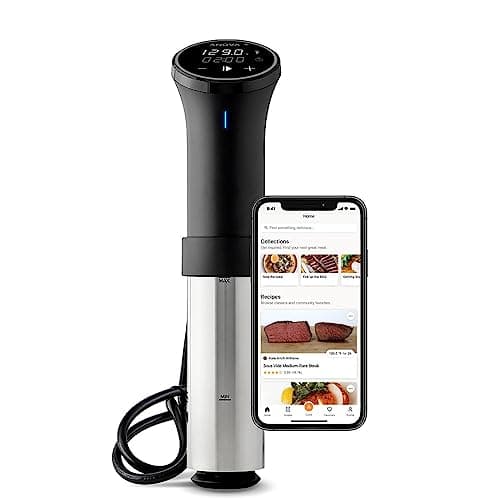
1,100 W
Anova Precision Cooker 3.0 (WiFi), 1100 W
The sous vide circulator most people should buy. Anova publishes the full specification — 1,100 W, a 0–92°C range, ±0.1°C accuracy, an 8 L/min pump — and backs it with a two-year warranty, the longest here. It has an on-device screen so it works without the app, which the Joule does not.
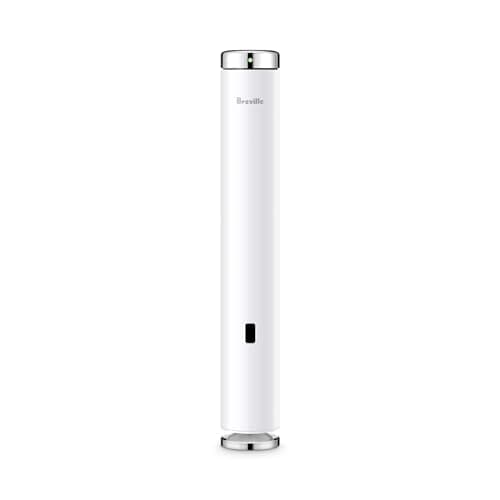
1,100 W
Breville Joule Turbo Sous Vide (BSV600), 1100 W
The smallest, cleverest and most divisive circulator here. It is app-only — there are no buttons and no screen, so your phone is the interface, full stop. In return you get the most compact body, a magnetic foot, IPX7 waterproofing, and a Turbo mode Breville claims can halve the time. 1,100 W.
#ad · As an Amazon Associate we earn from qualifying purchases.
Questions
Frequently asked
What temperature do you sous vide tri-tip?
How long do you sous vide tri-tip?
Do you sear tri-tip before or after sous vide?
Keep reading
Related
Receipts
Sources
- USDA Food Safety and Inspection Service — safe minimum internal cooking temperatures
- USDA FSIS — cooking safely with time and temperature (pasteurization basics)
We have not tested these machines in a lab and we do not pretend to have. Specifications come from the manufacturer's own published documents; electricity rates come from the US Energy Information Administration; prices come from the live Amazon API. Where a figure is not published, the page says “not published” rather than guessing. Read the full method.